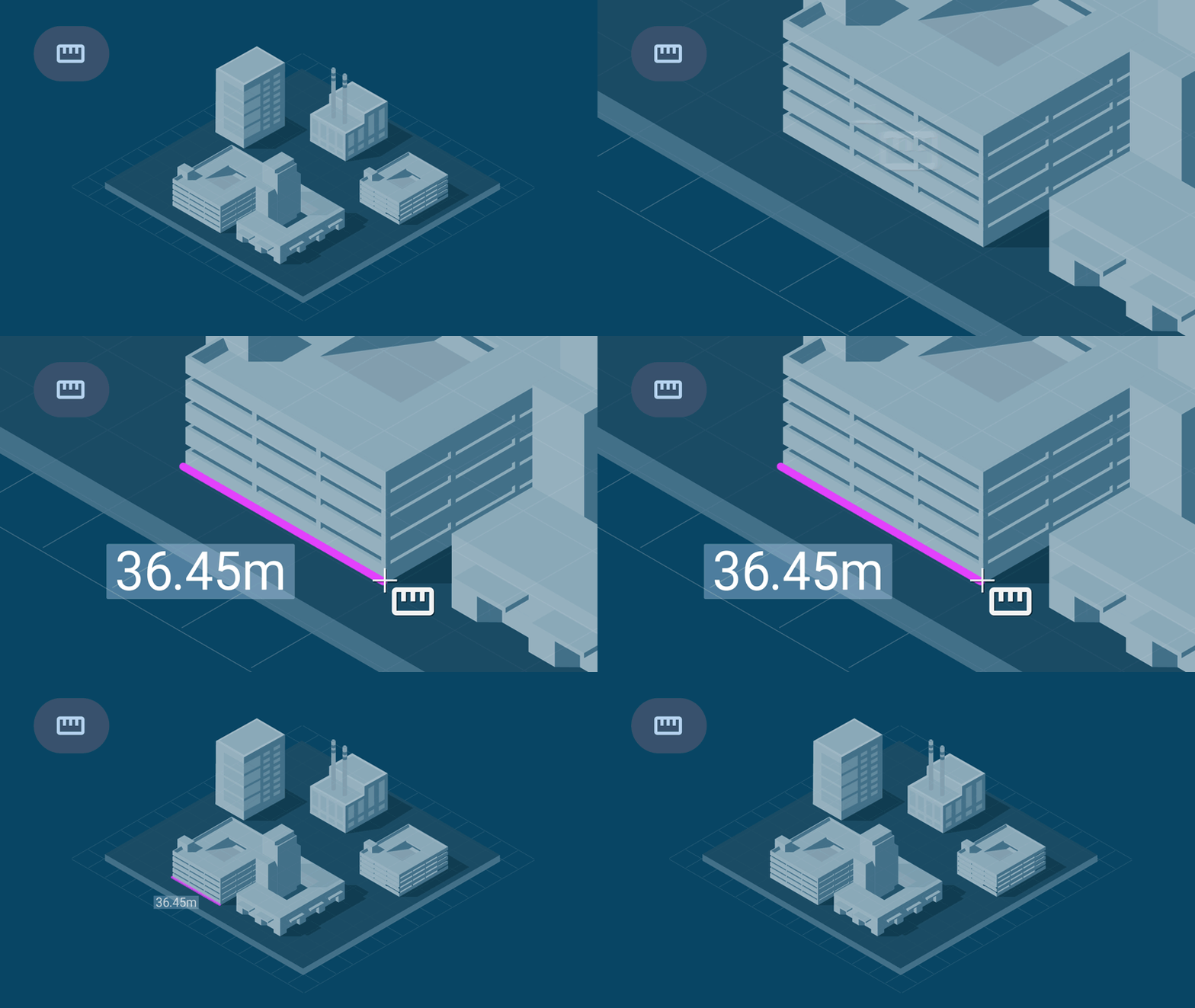
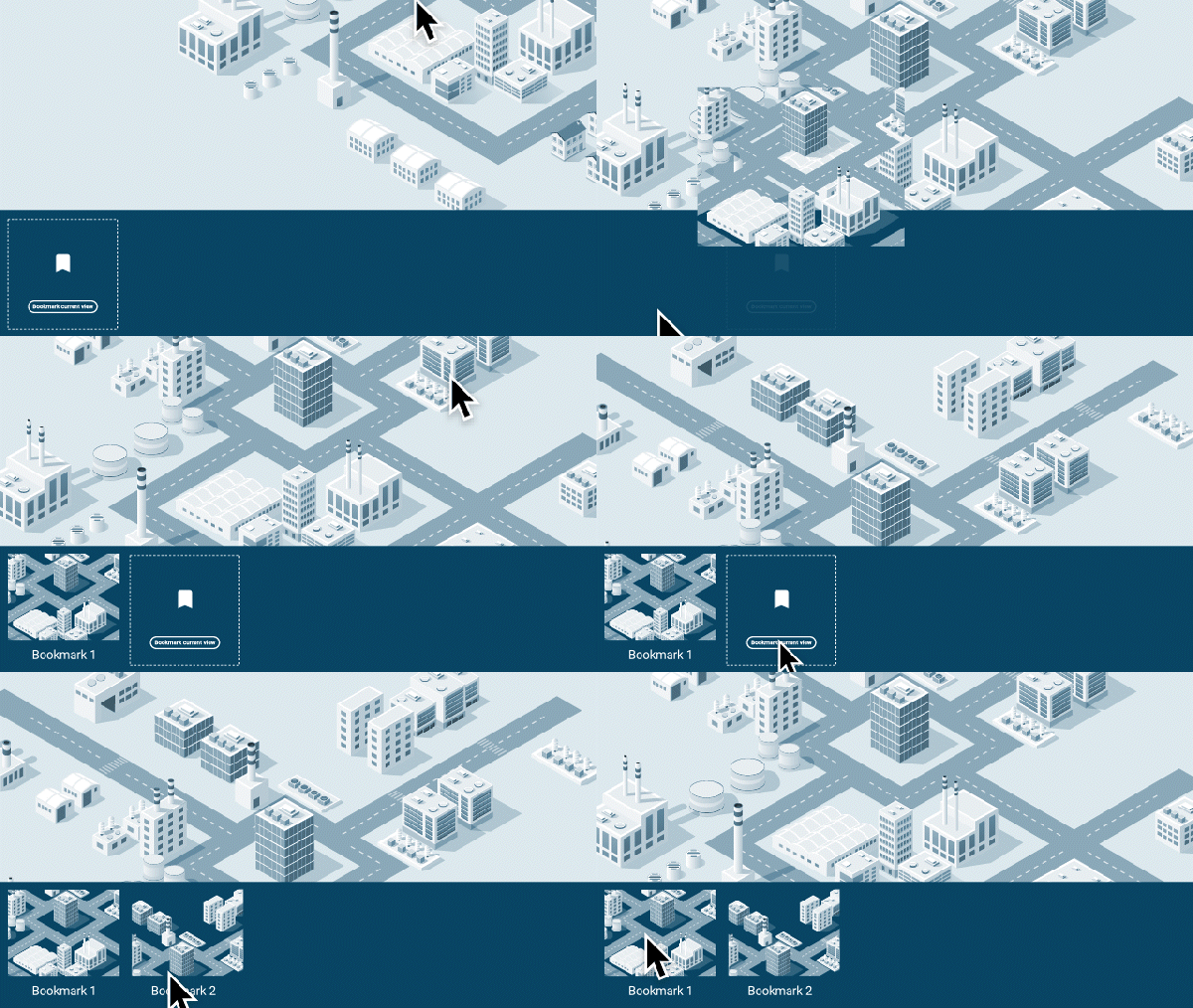
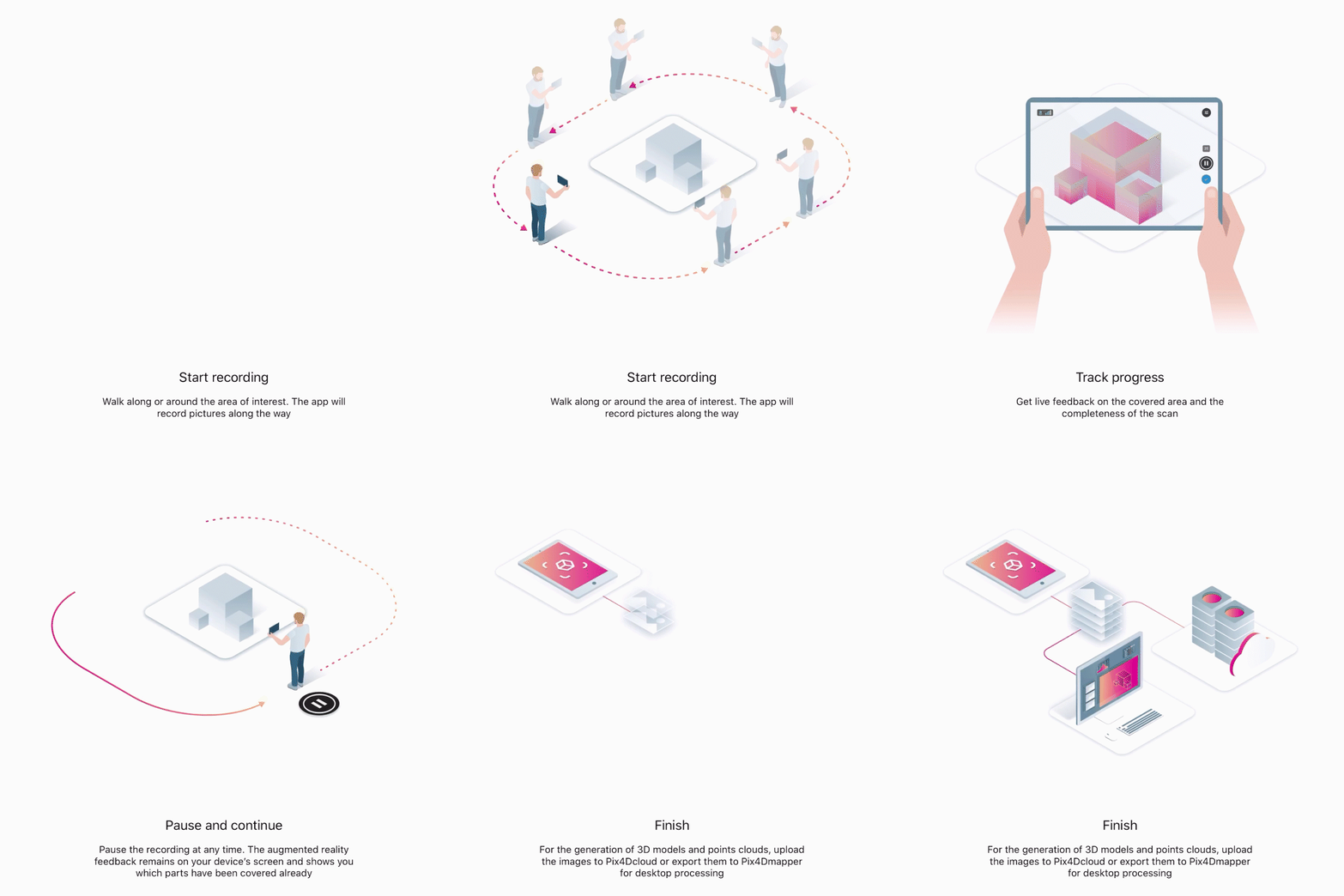
UI/UX Pix4D Design System
UX/UI, 2018
- Role
- Tech Lead
- Company
- Pix4D SA
- Year
- 2018
Project overview
In 2018, Pix4D was operating with four core products across three platforms—mobile, desktop, and cloud. Each product had been developed independently, leading to significant inconsistencies in UI/UX patterns, visual language, and technical implementation. As the company prepared to scale up and develop additional interoperable software, it became evident that a unified, scalable design system was essential to ensure consistency, reusability, and a seamless cross-platform experience.
Research
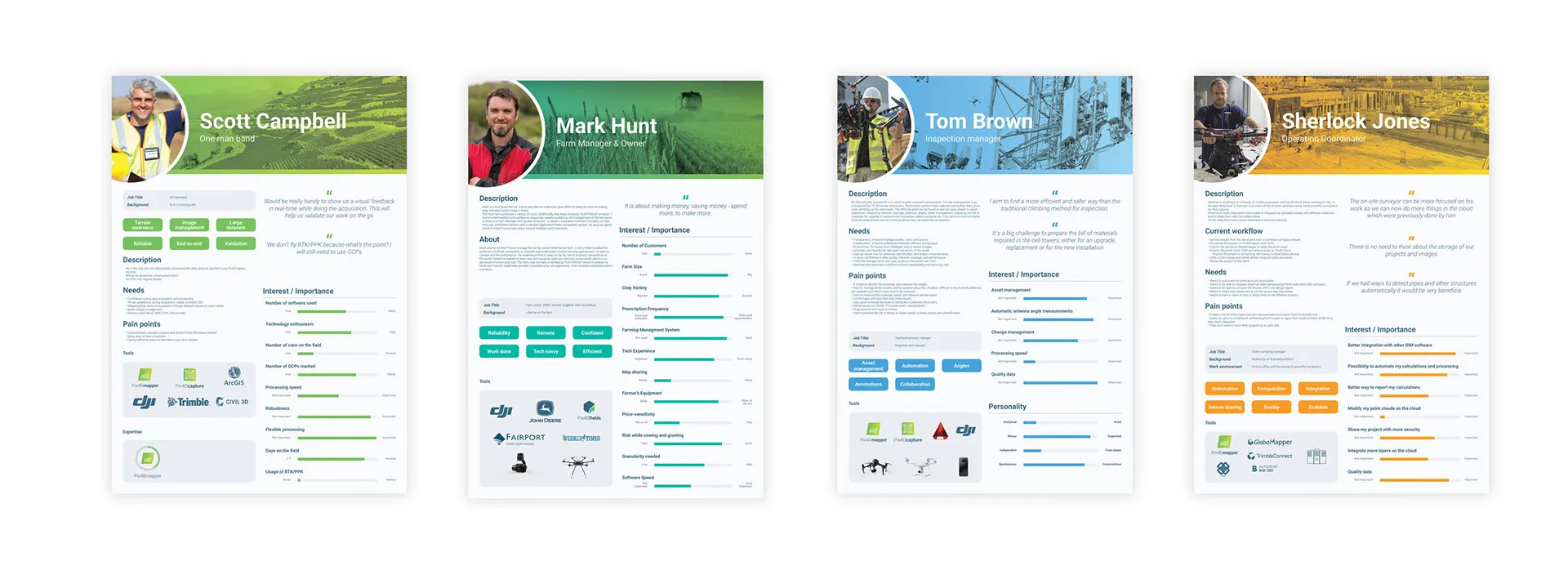
Over six months, I collaborated closely with the Head of UX to audit and analyze all existing products. We conducted a comprehensive inventory of UI elements, design patterns, and interaction models used across the platforms. This analysis highlighted numerous redundancies, fragmented visual styles, and disconnected UX paradigms that hindered usability and maintainability.
PROTOTYPE
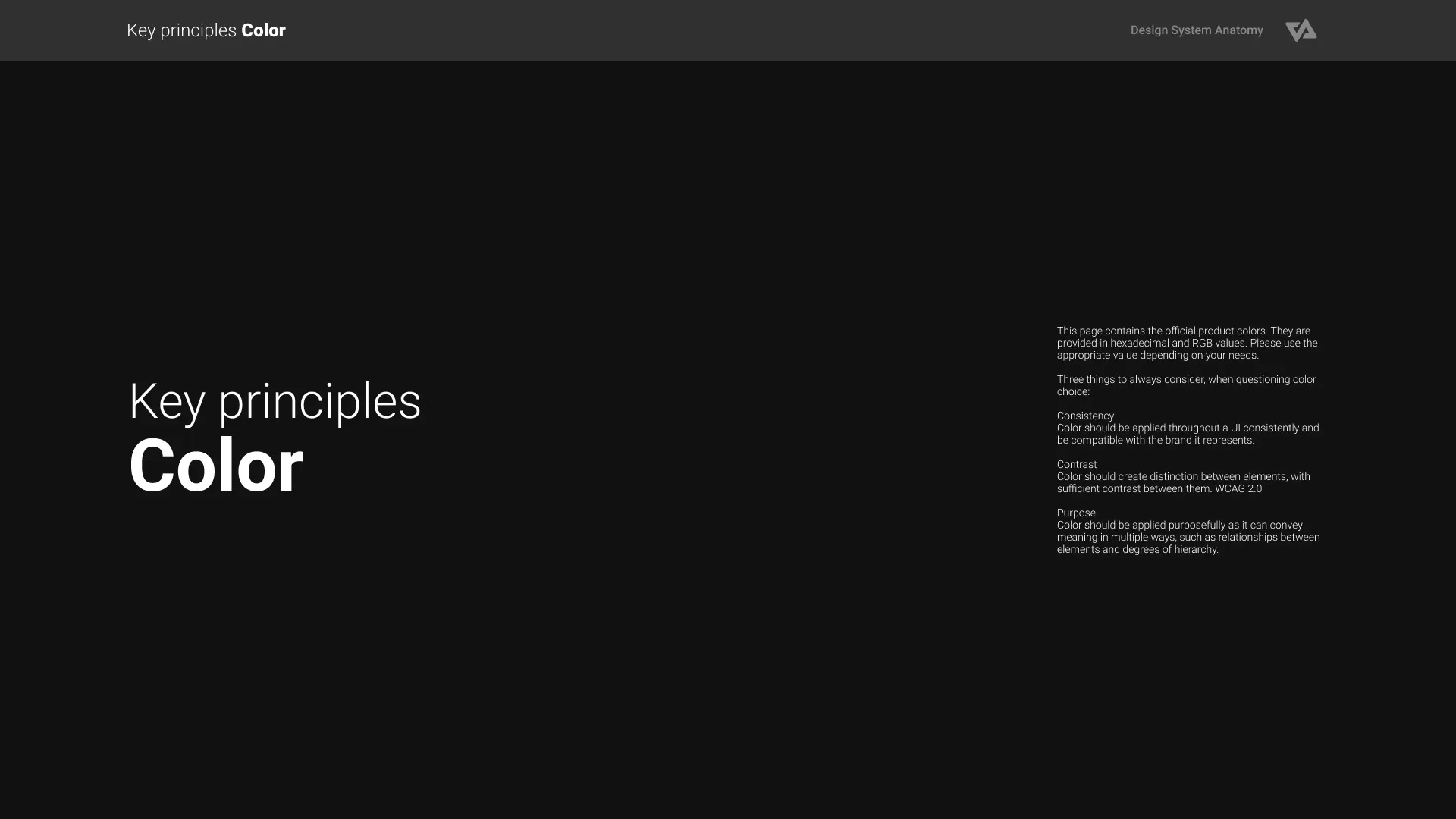
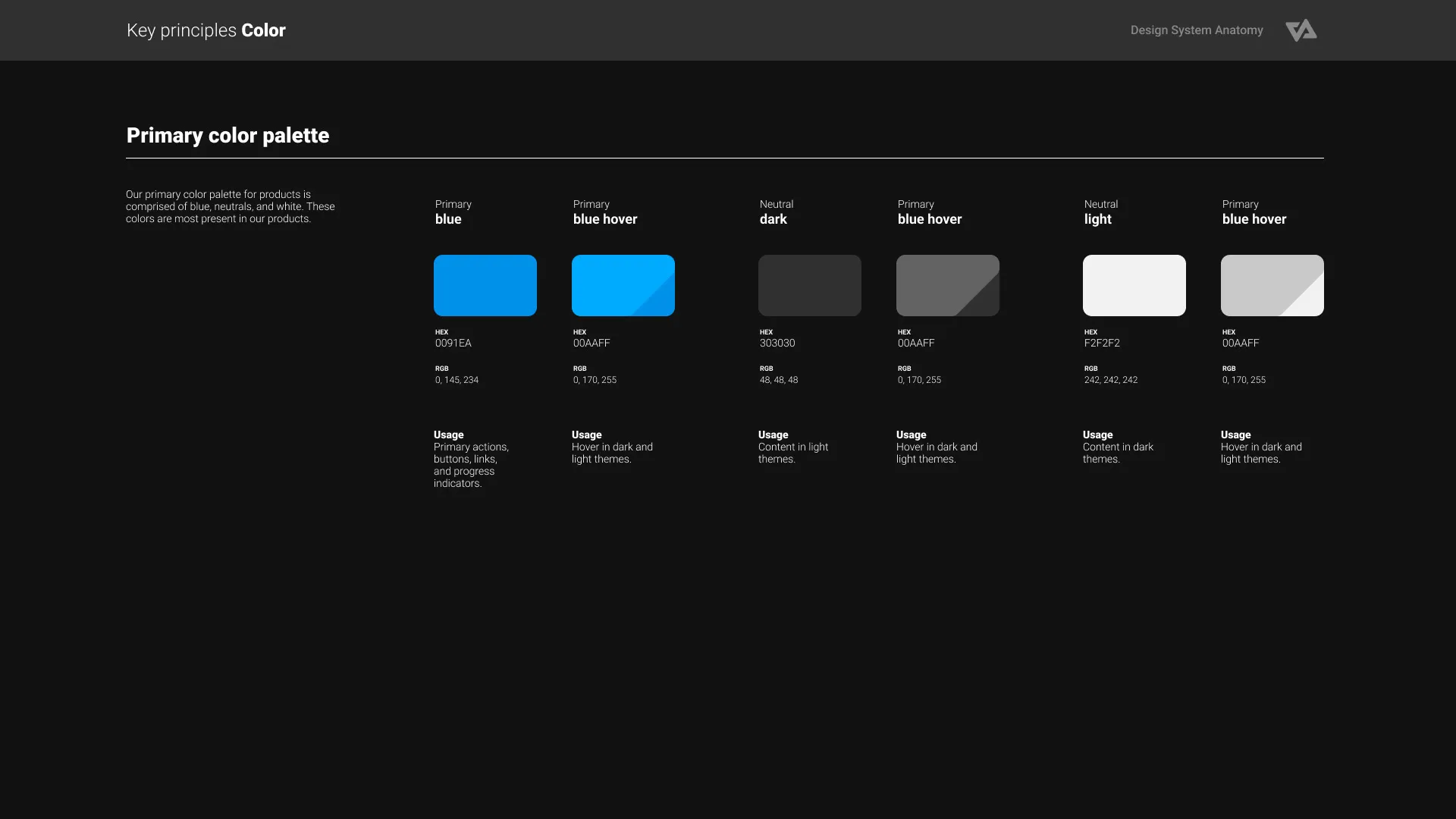
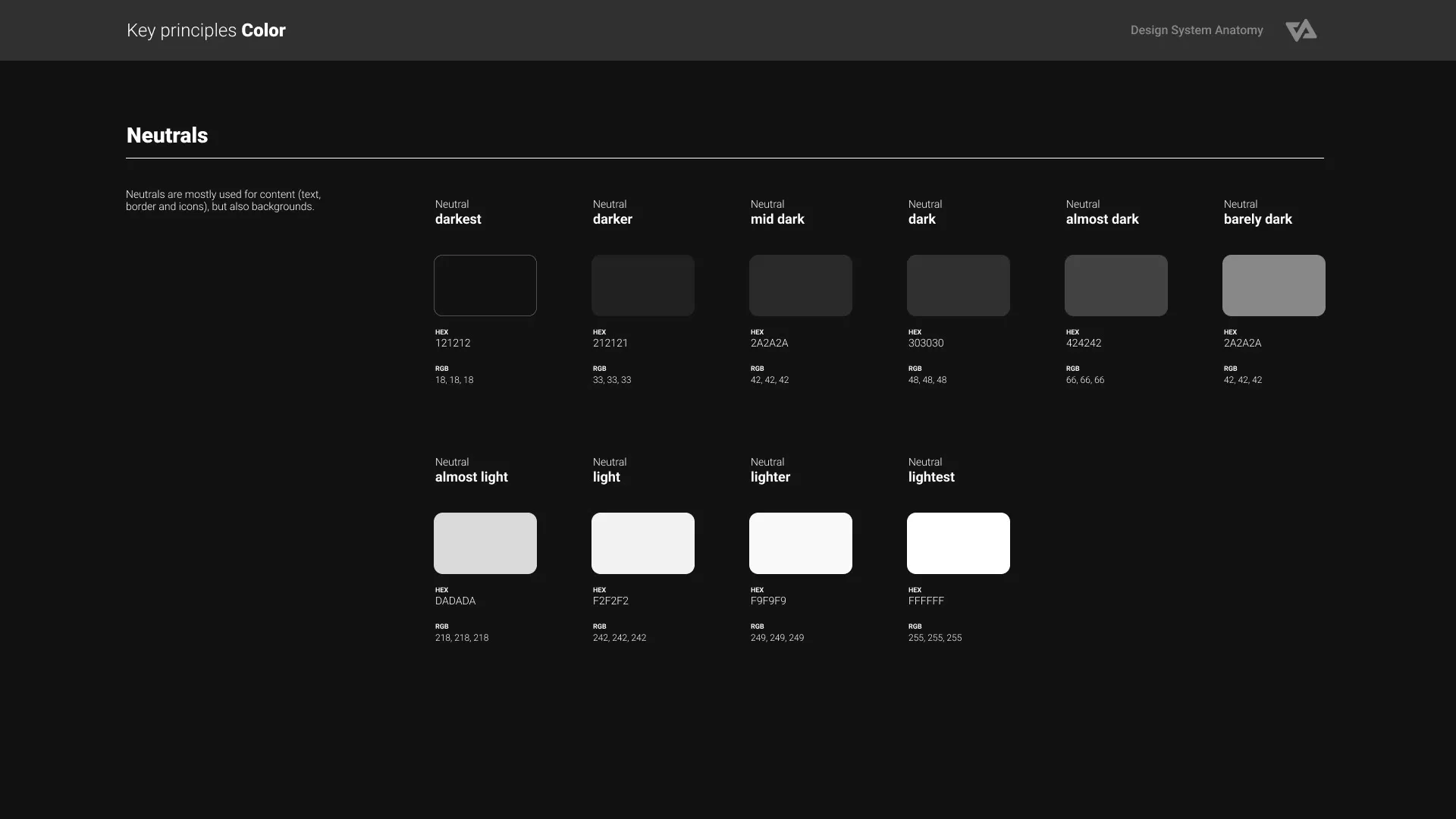
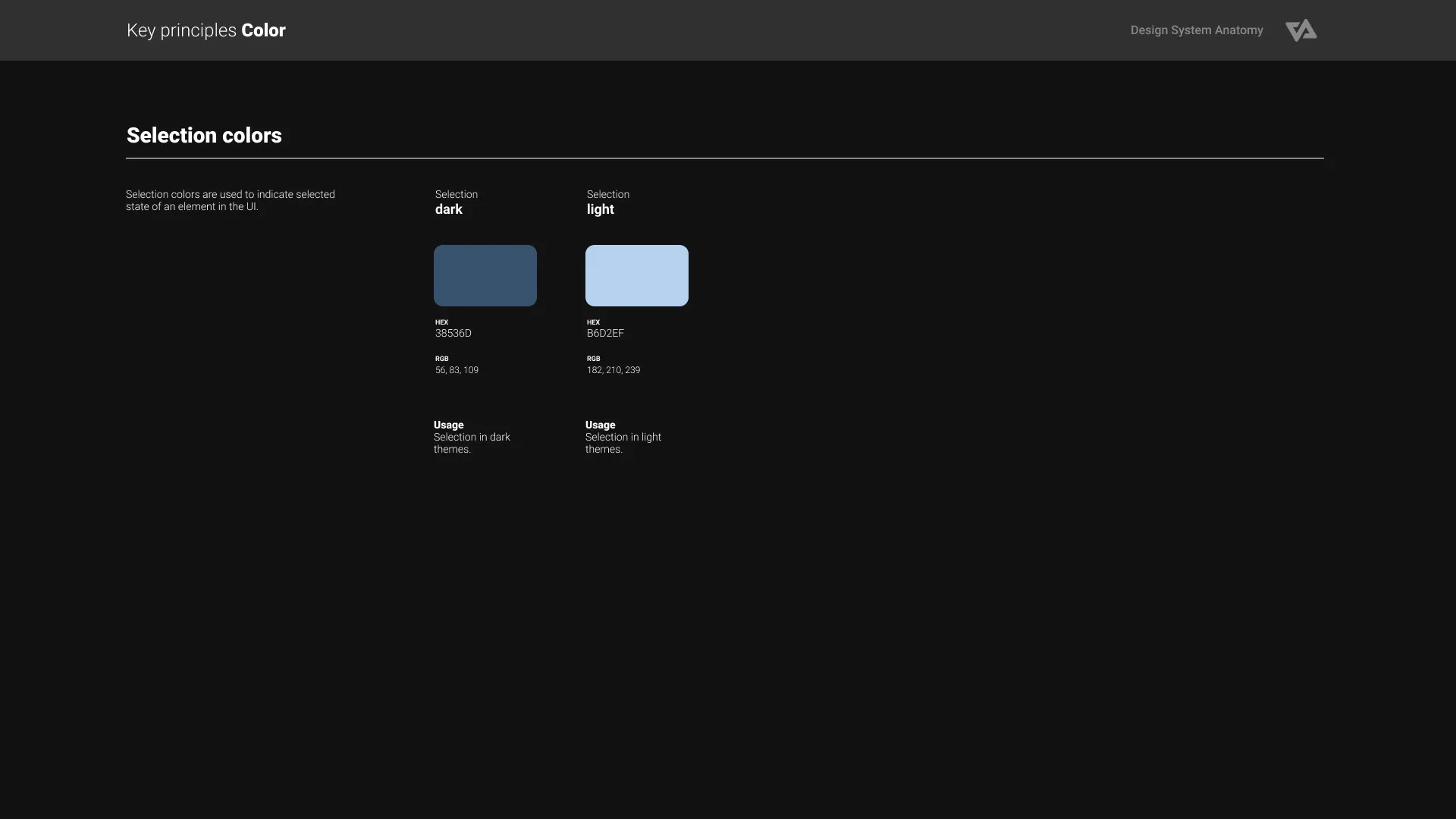
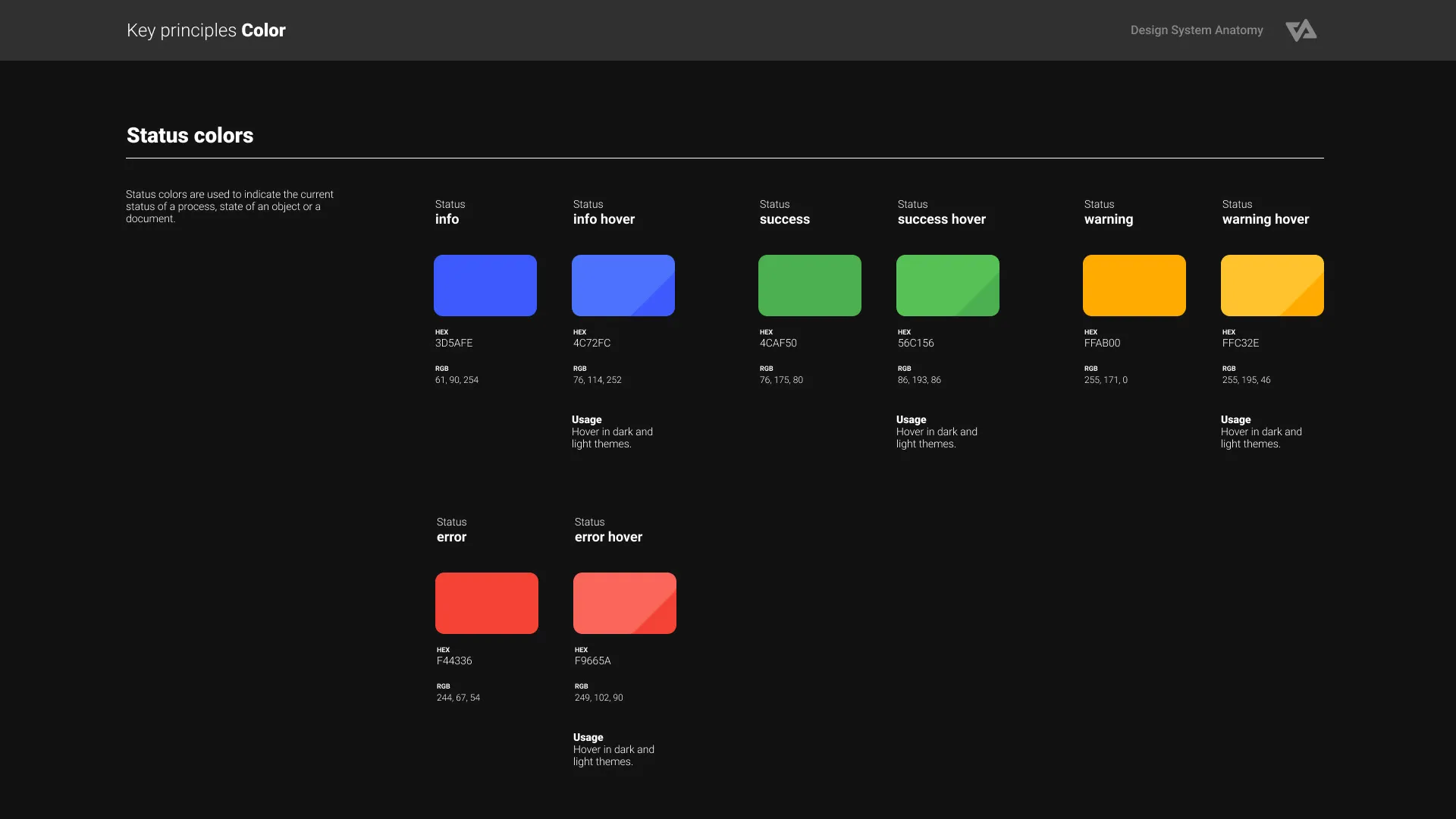
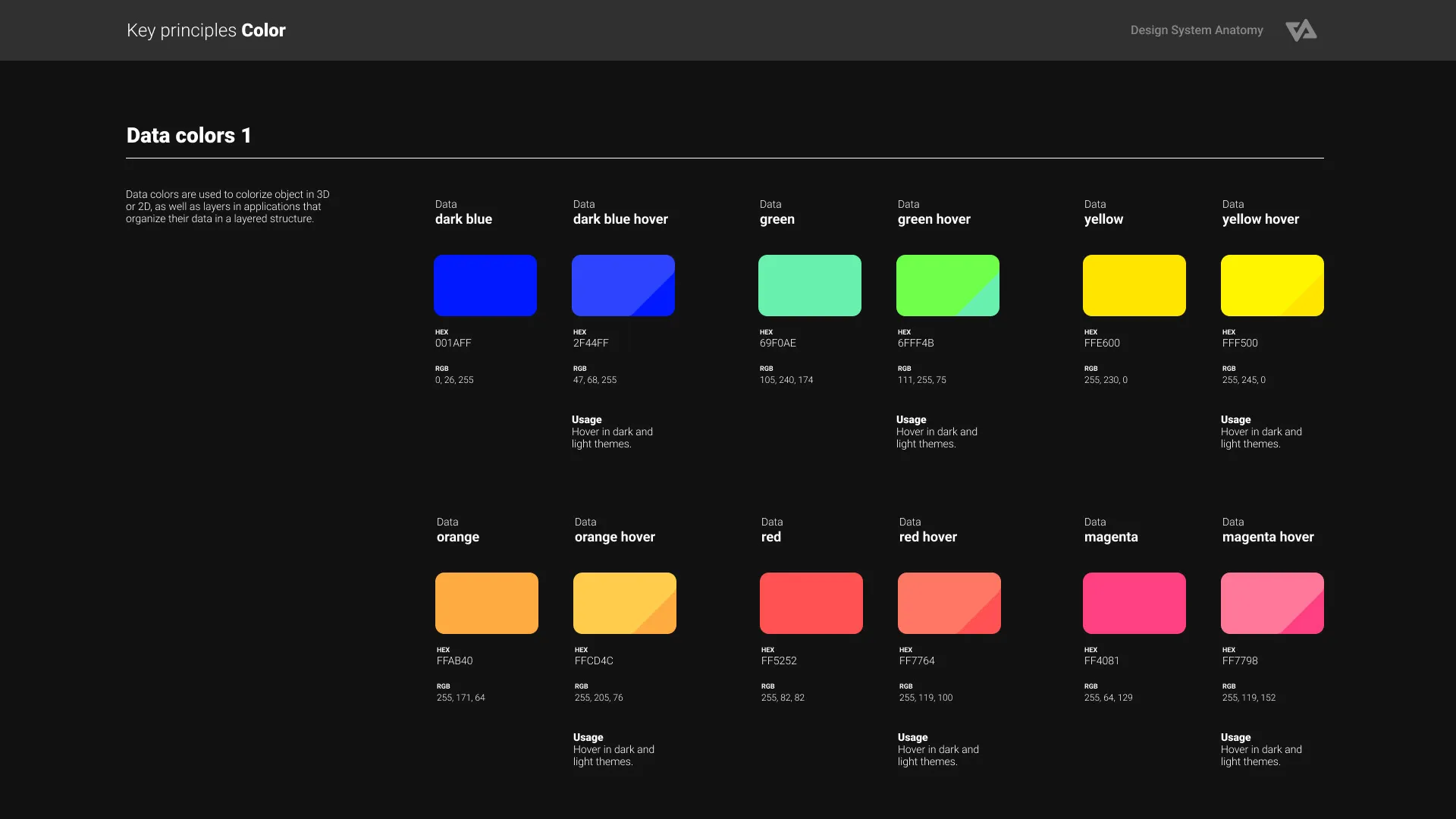
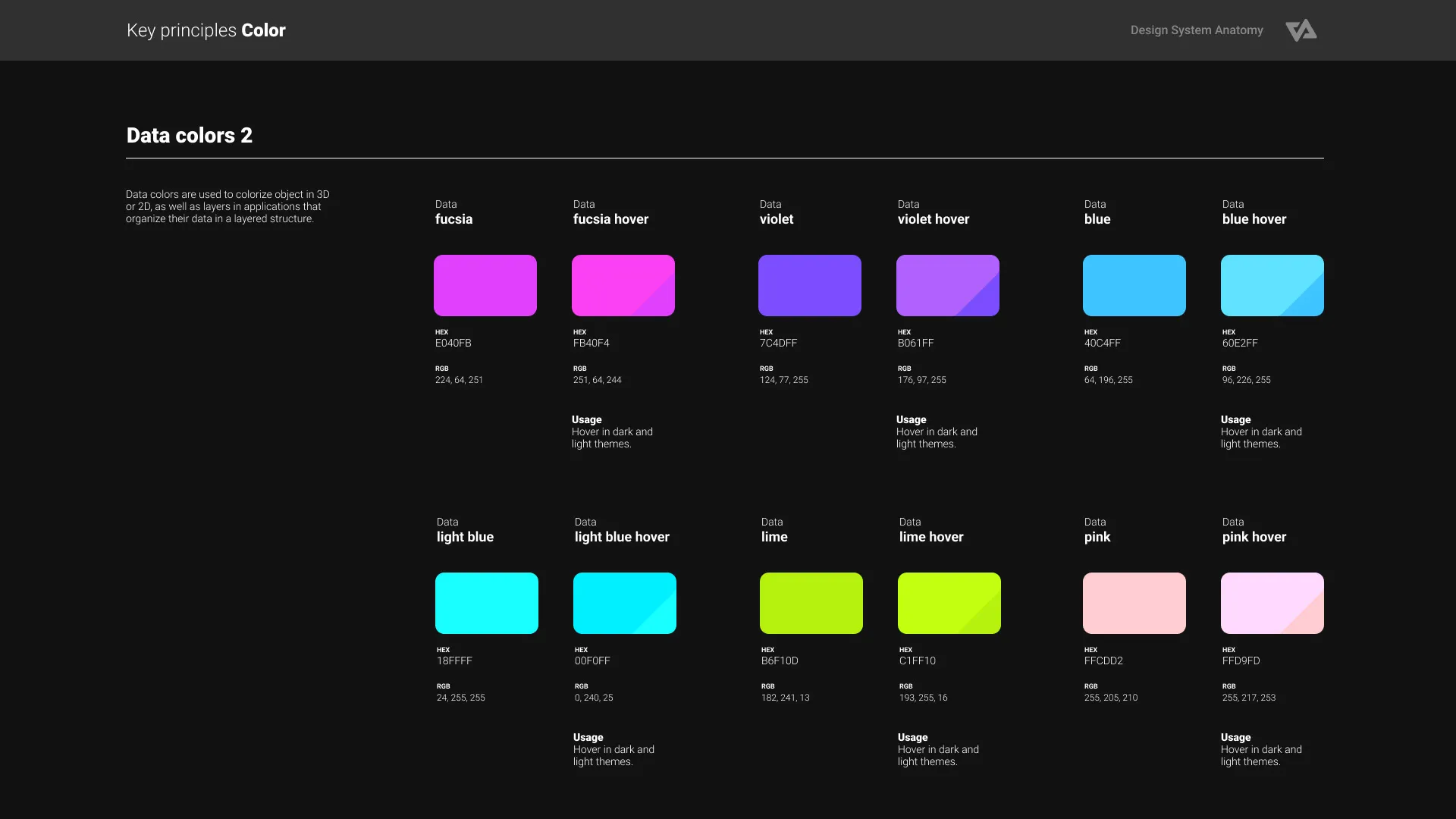
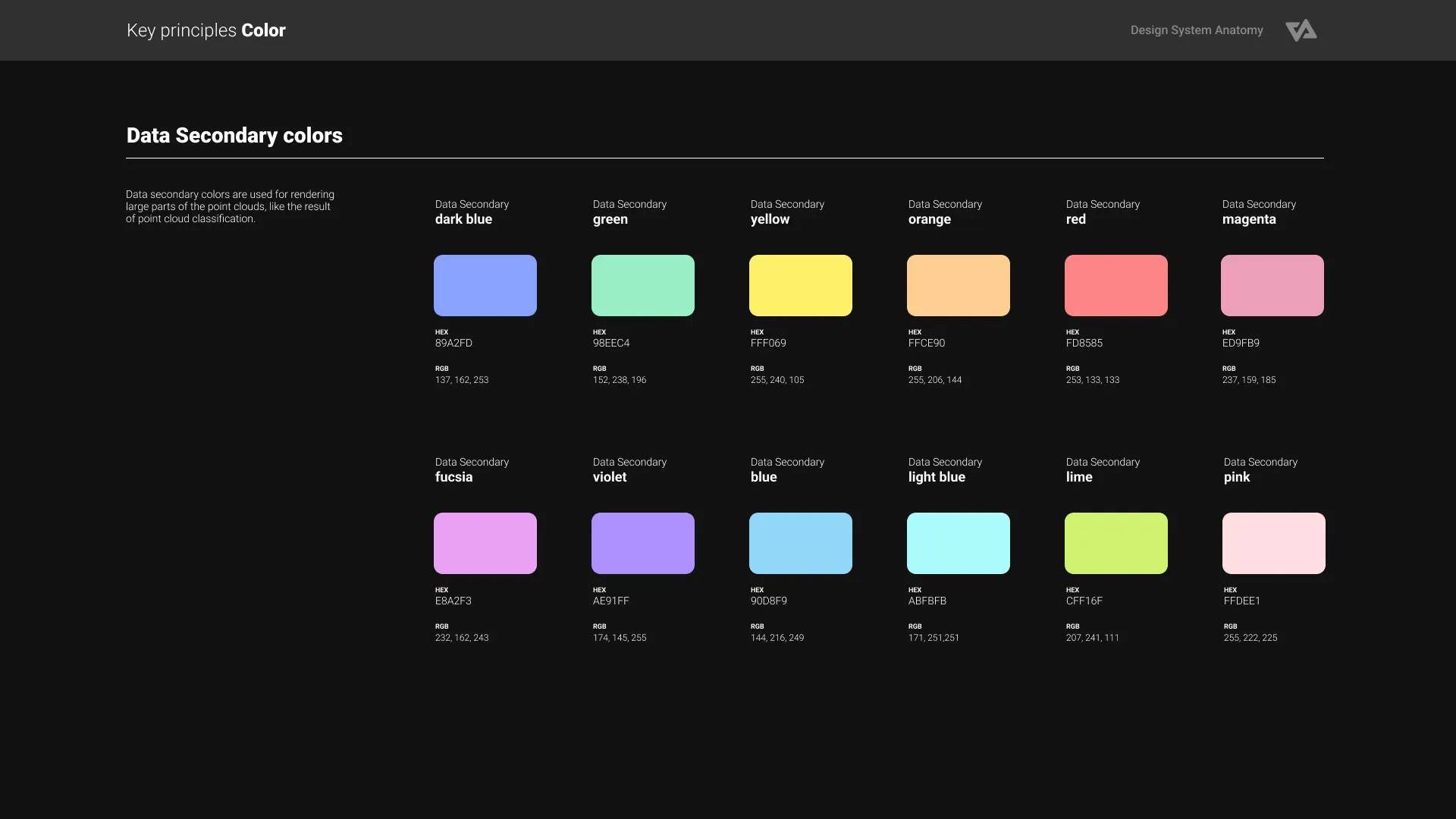
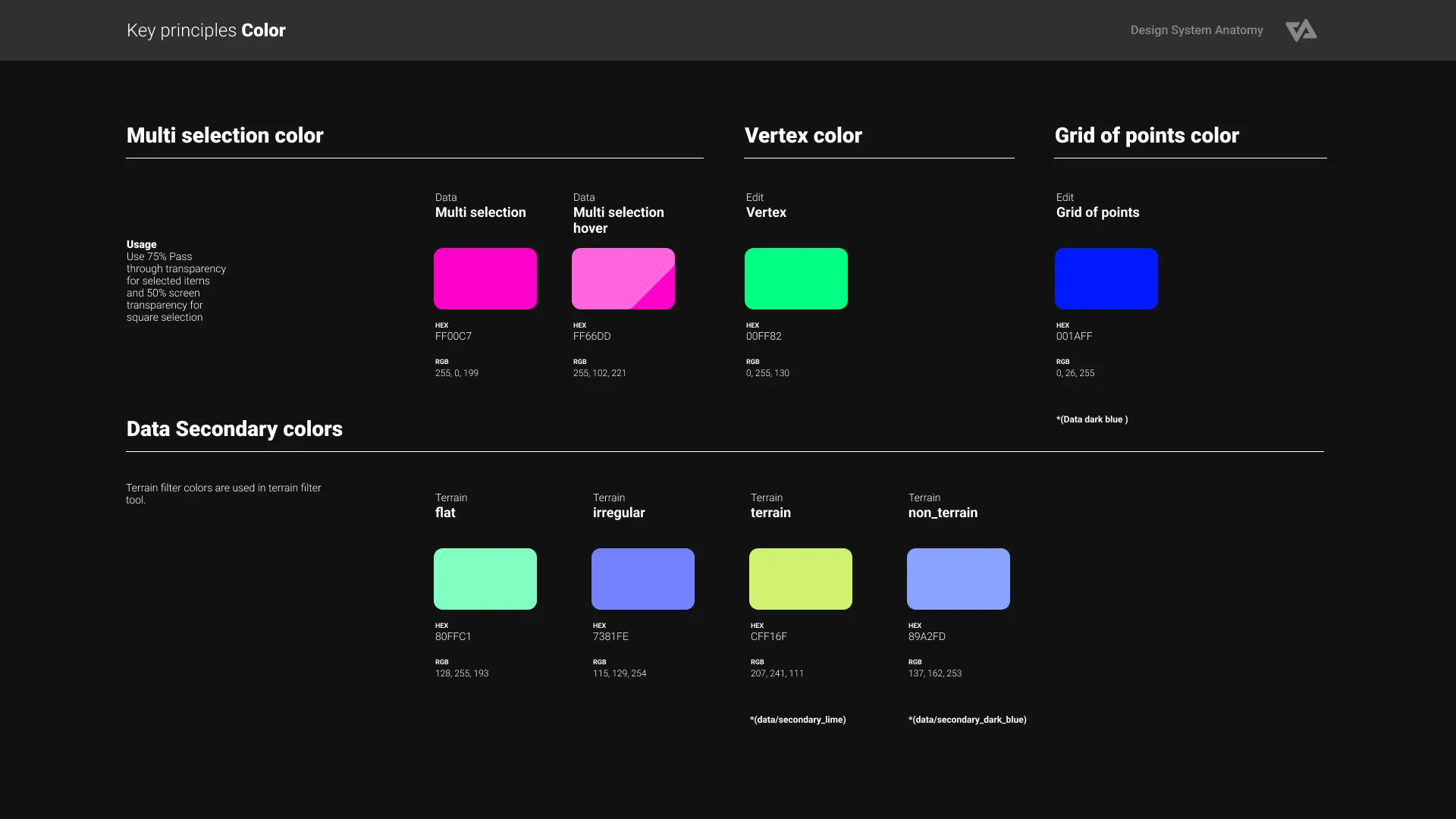
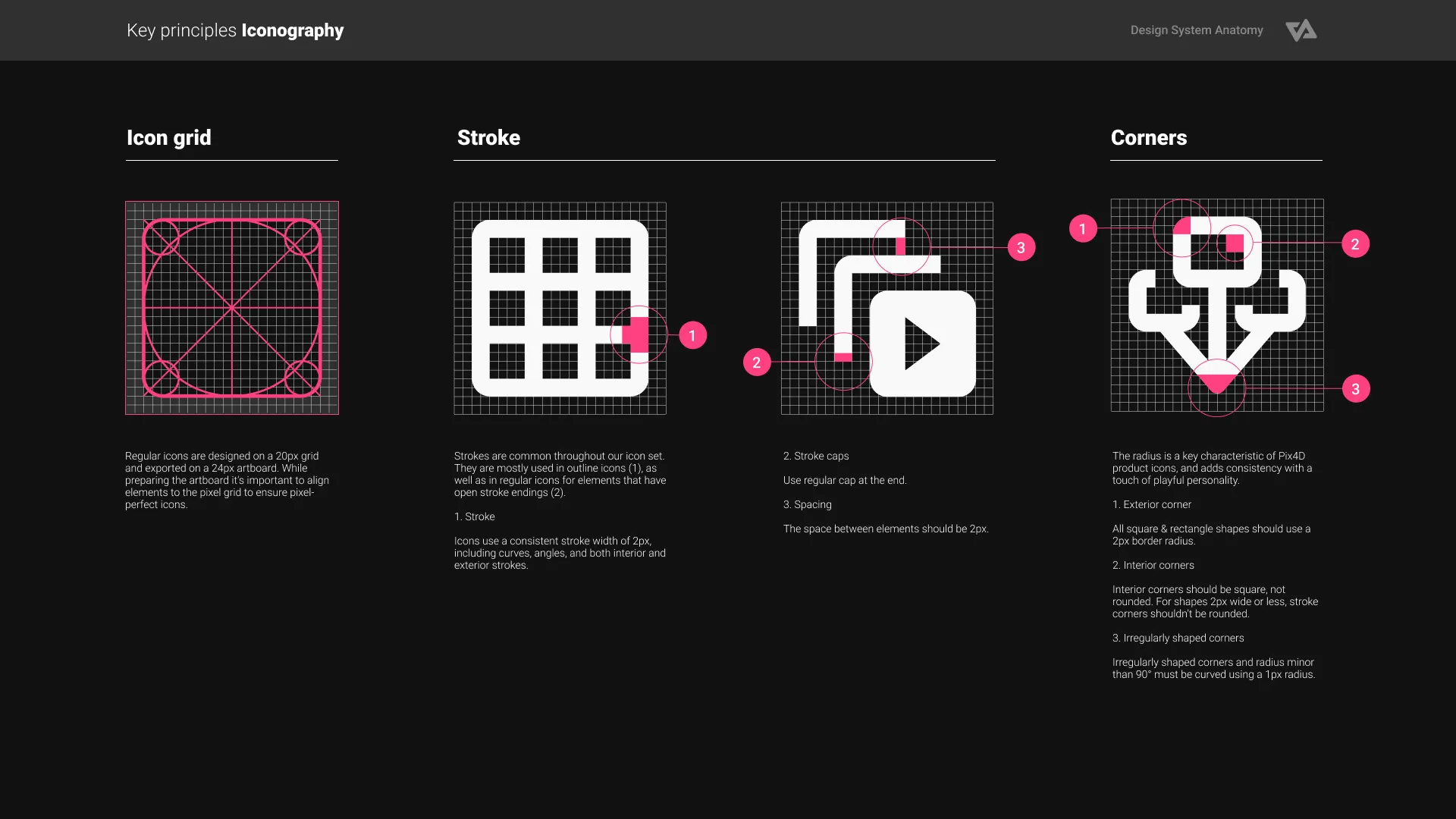
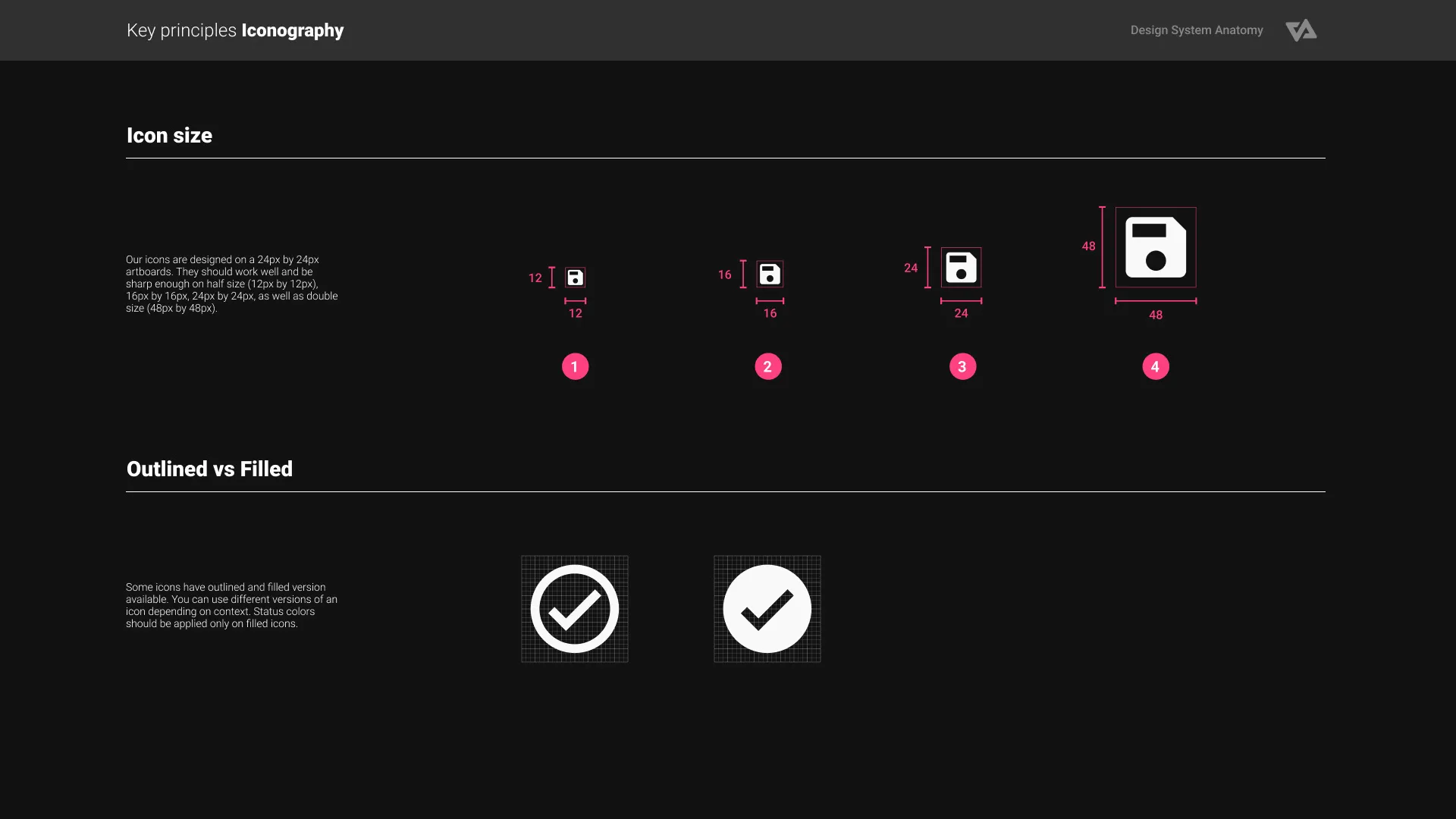
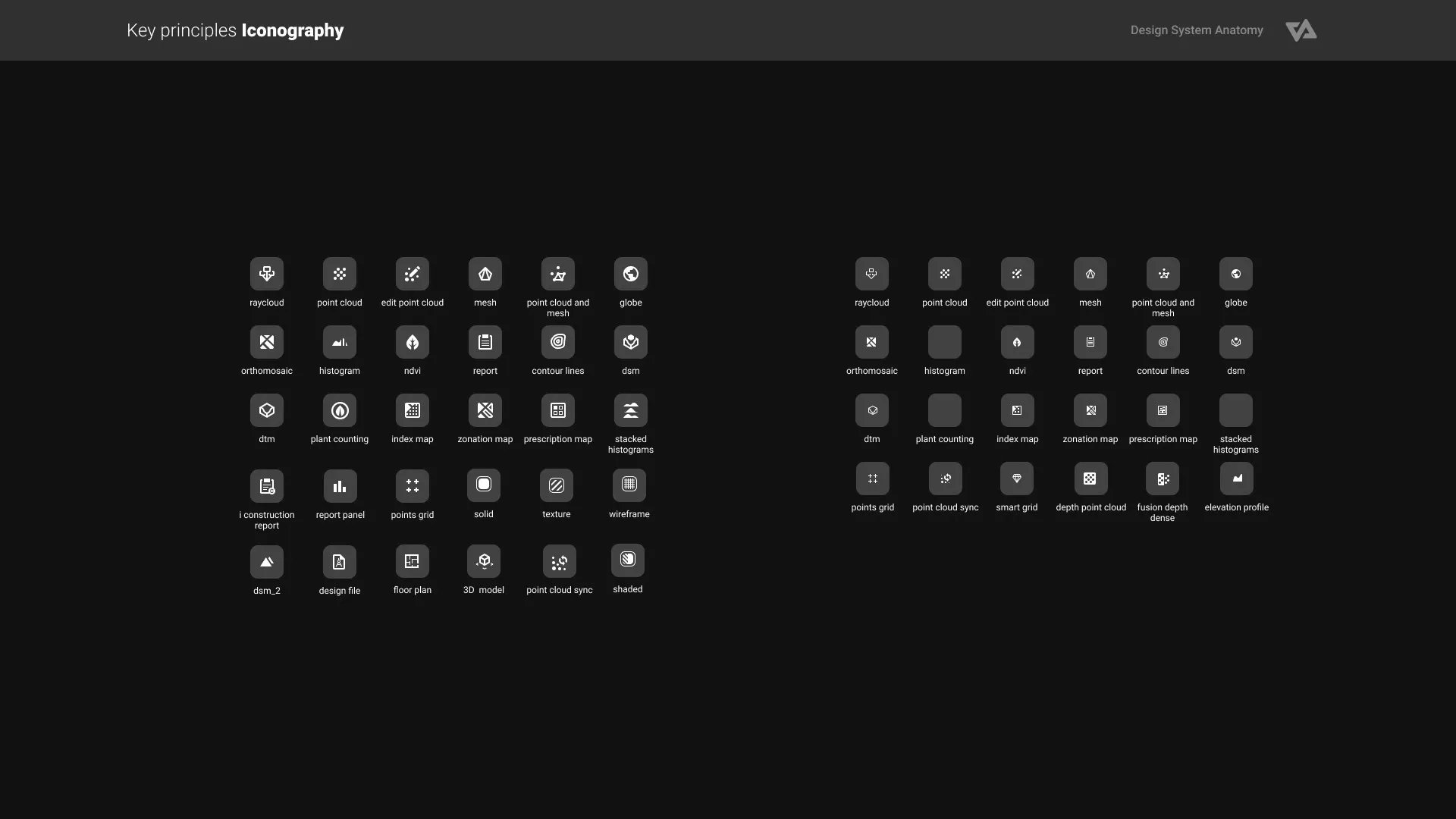
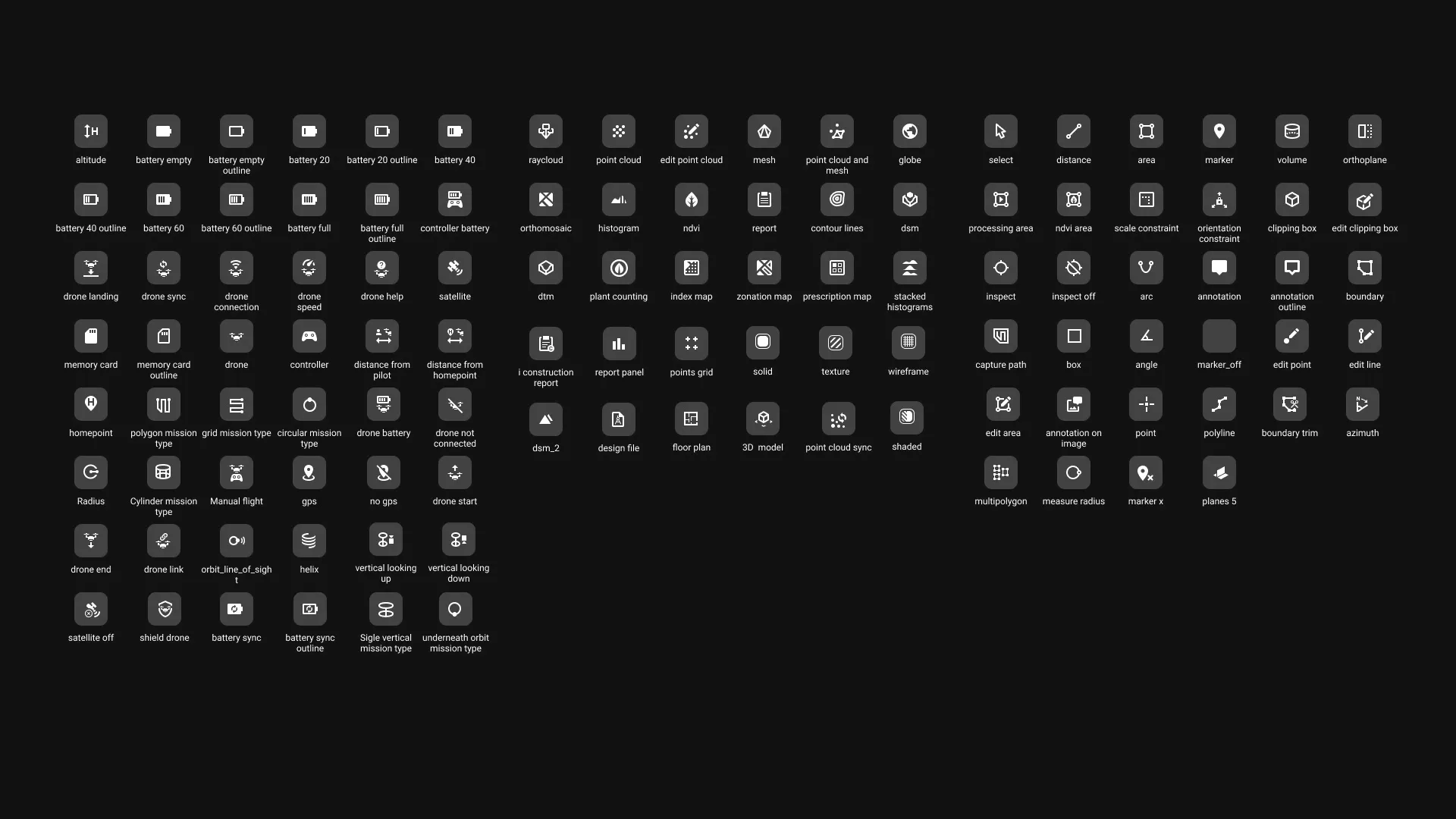
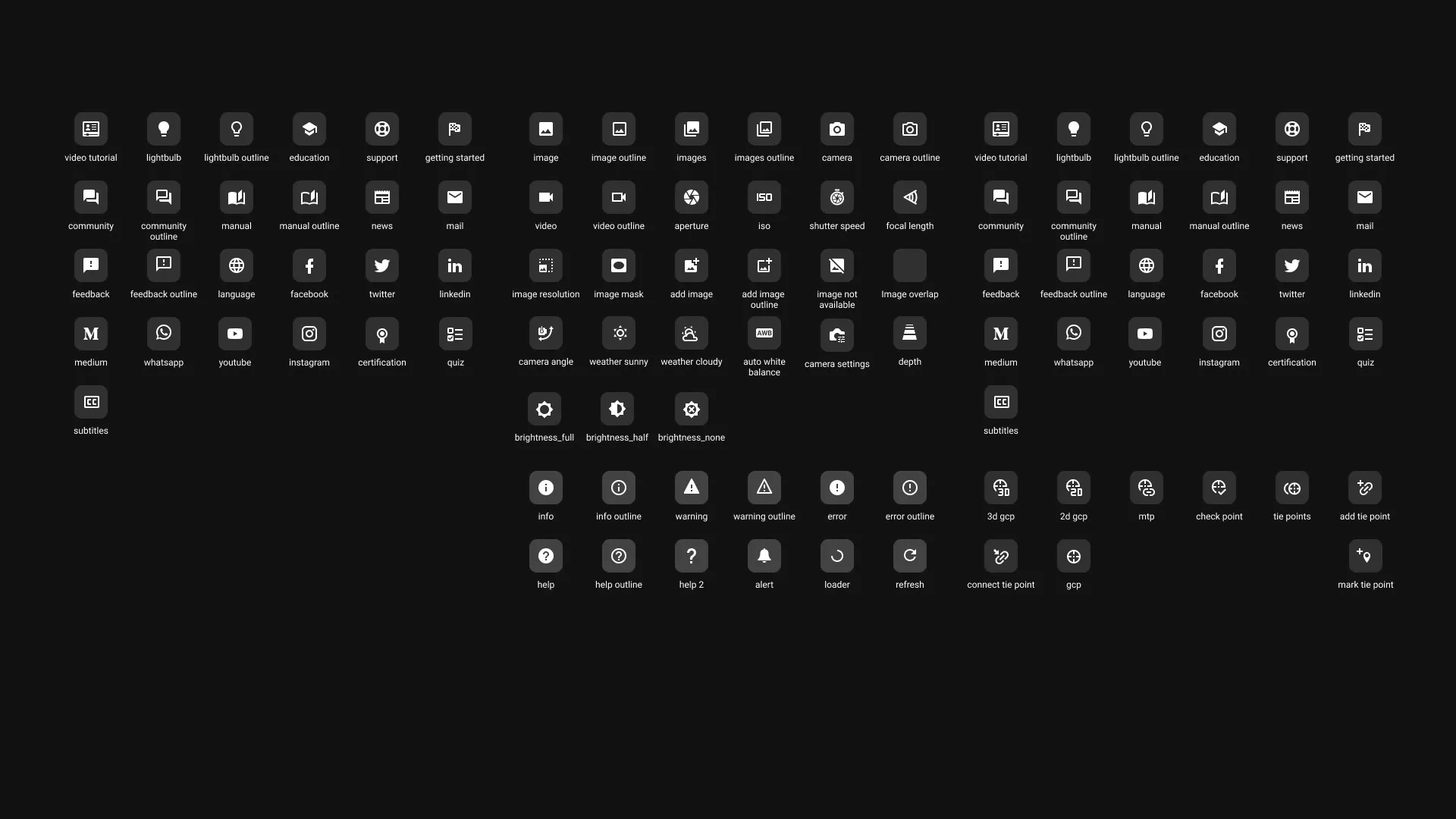
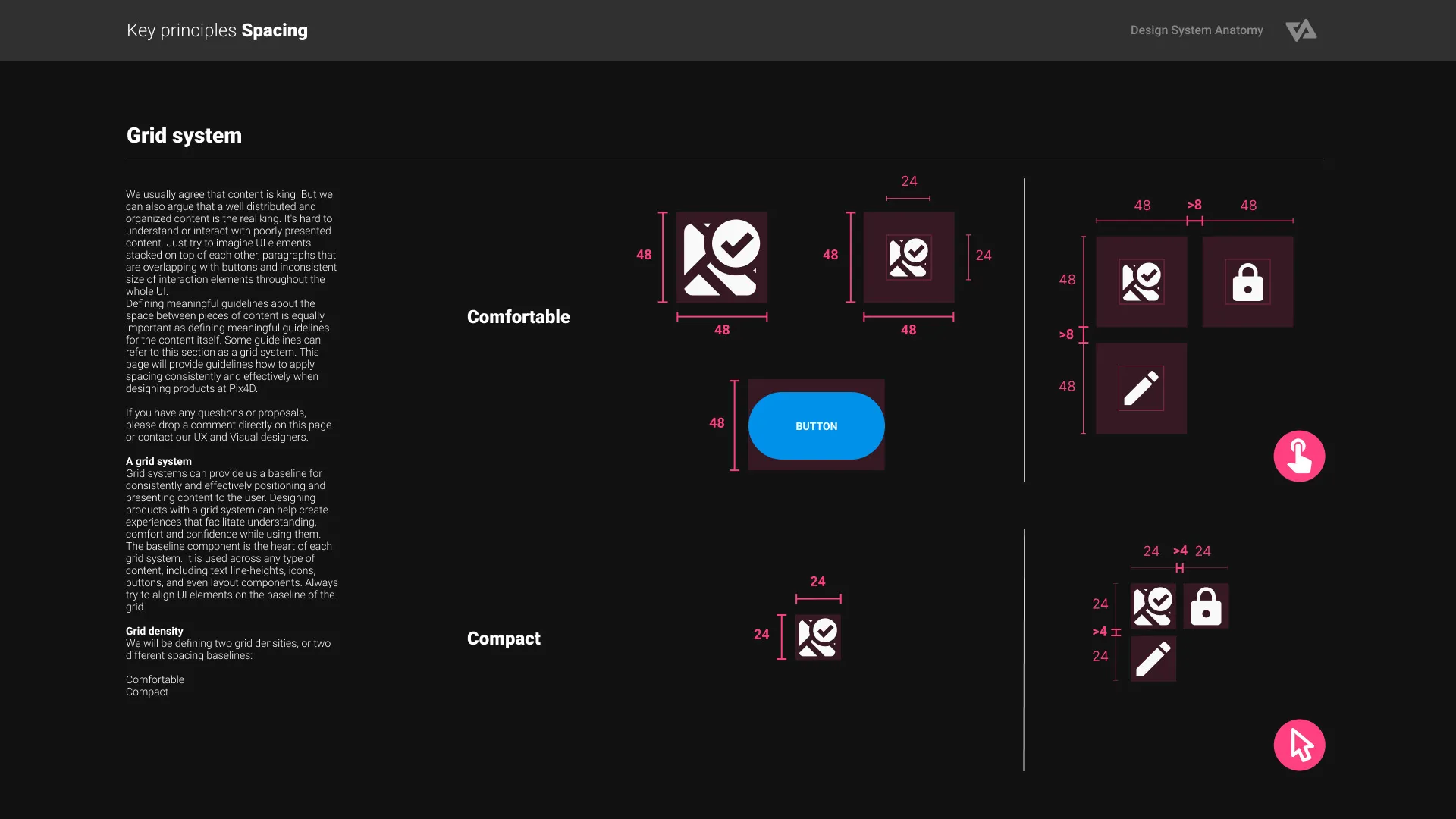
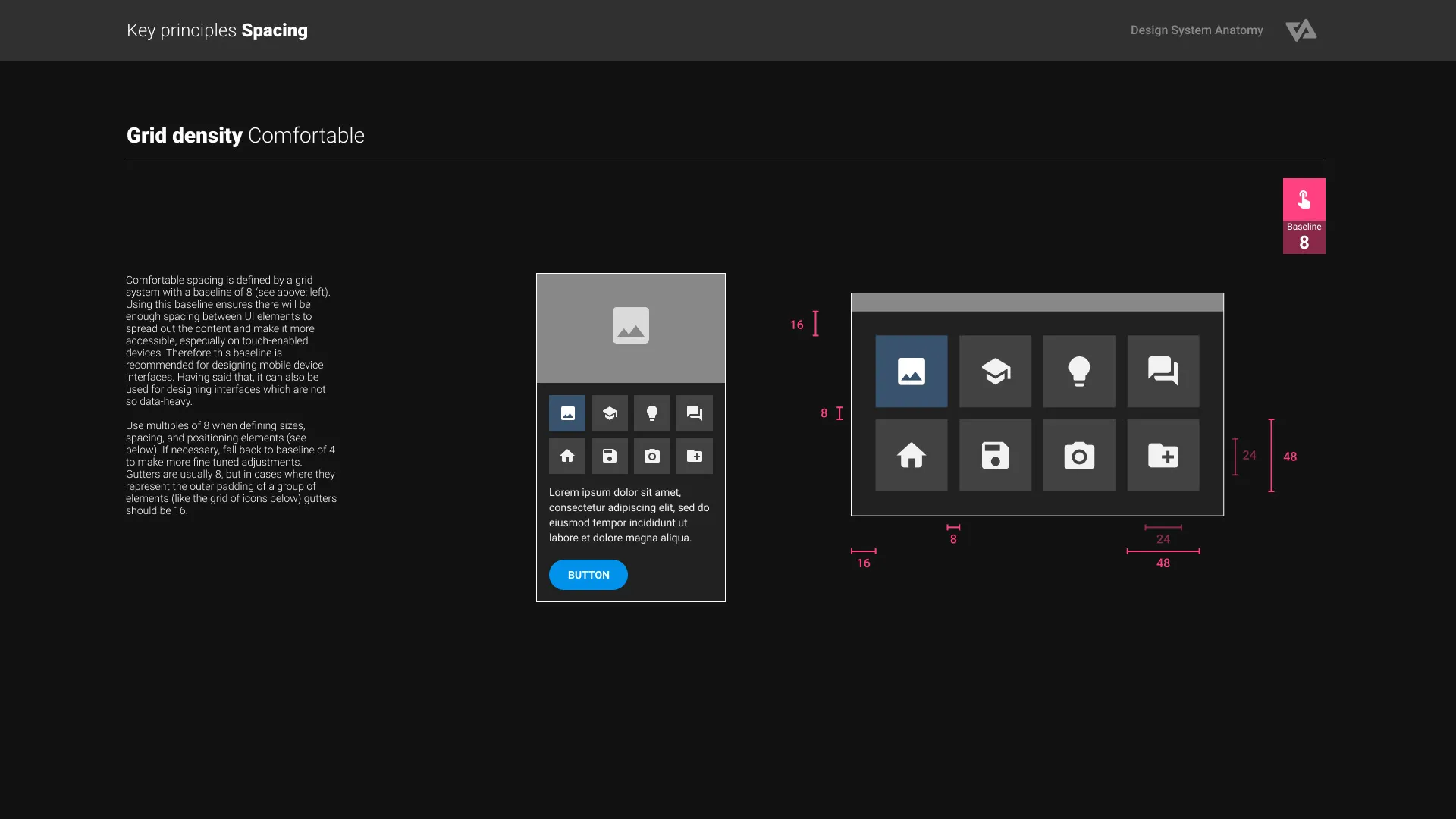
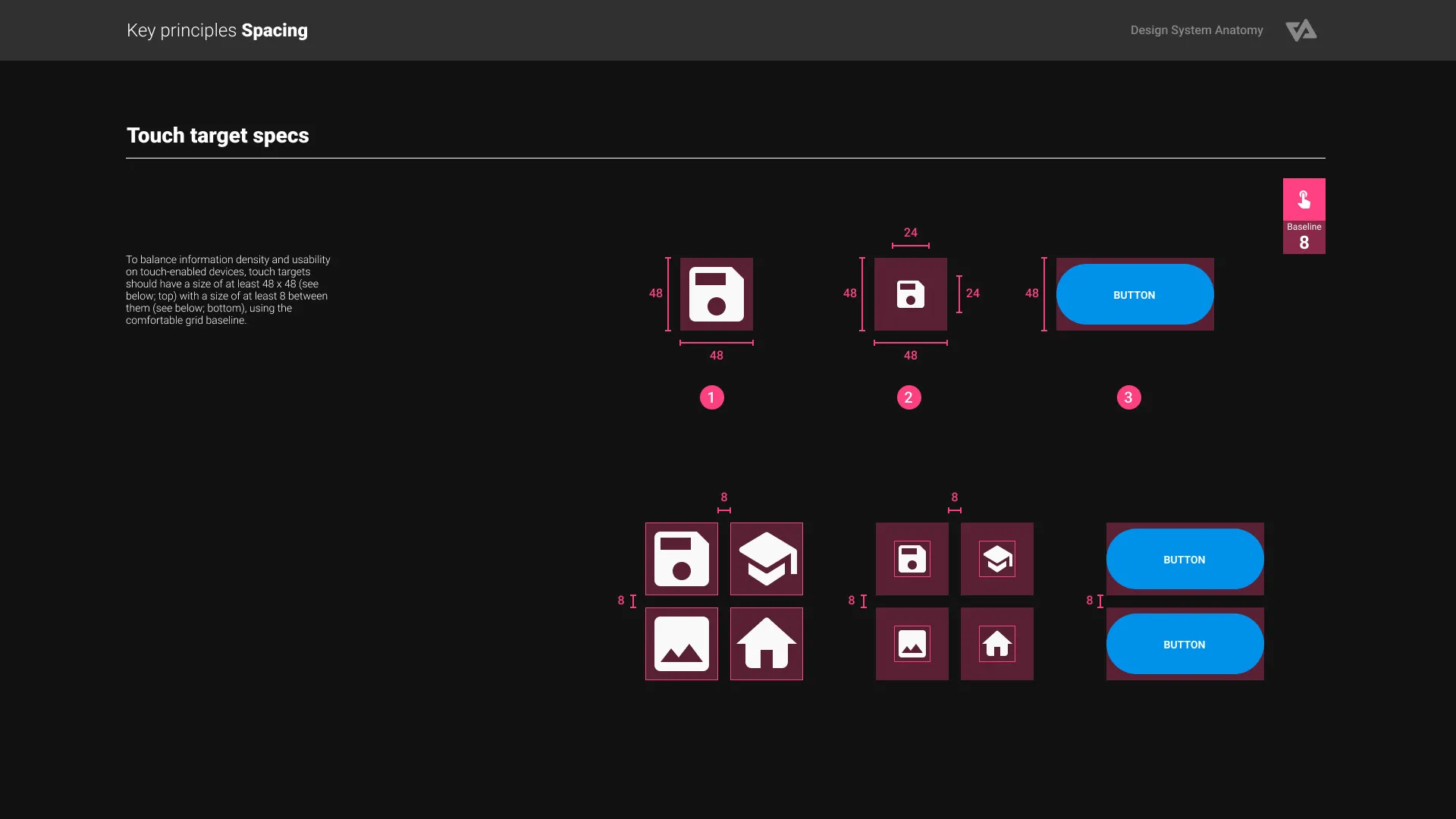
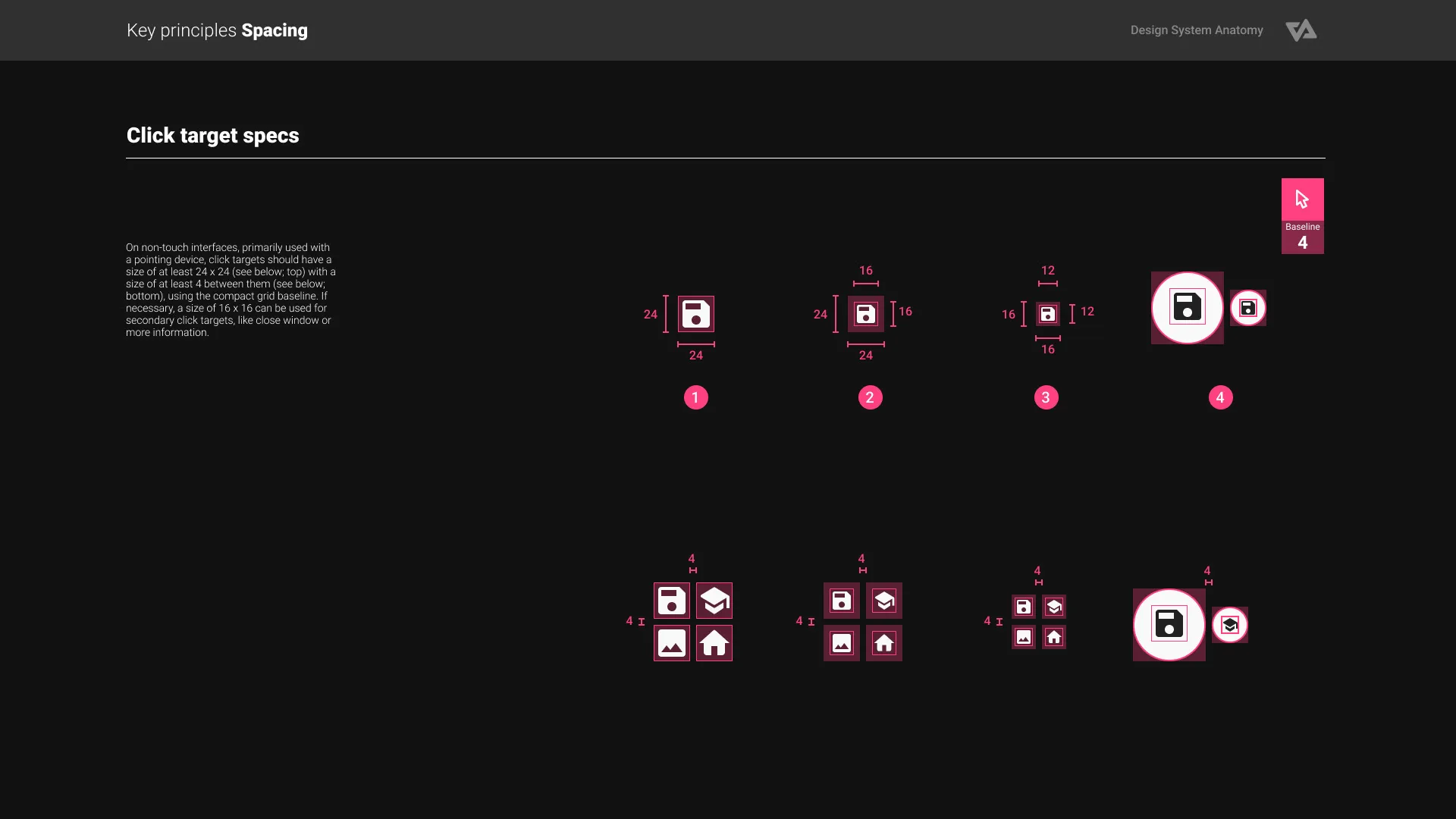
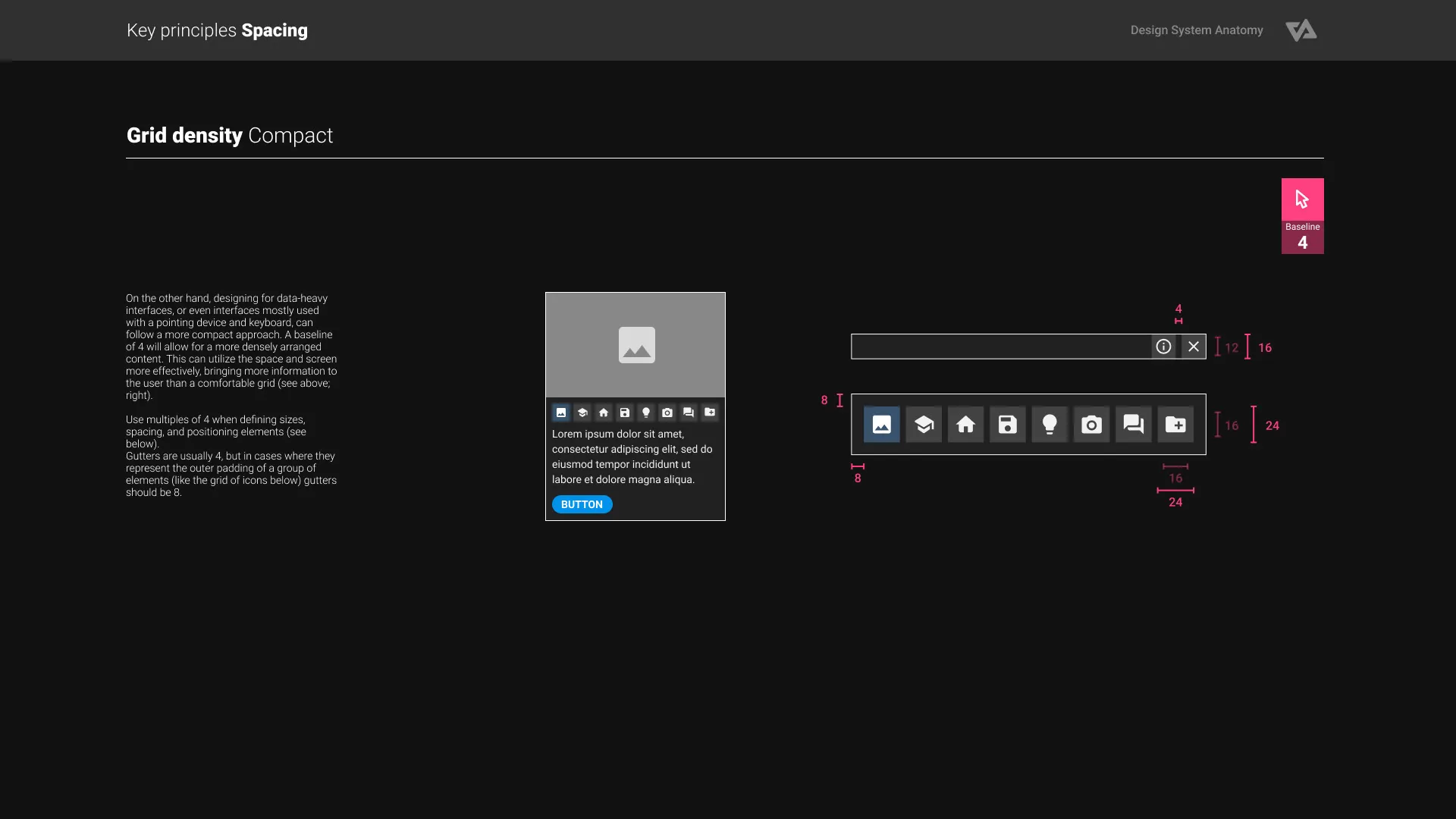
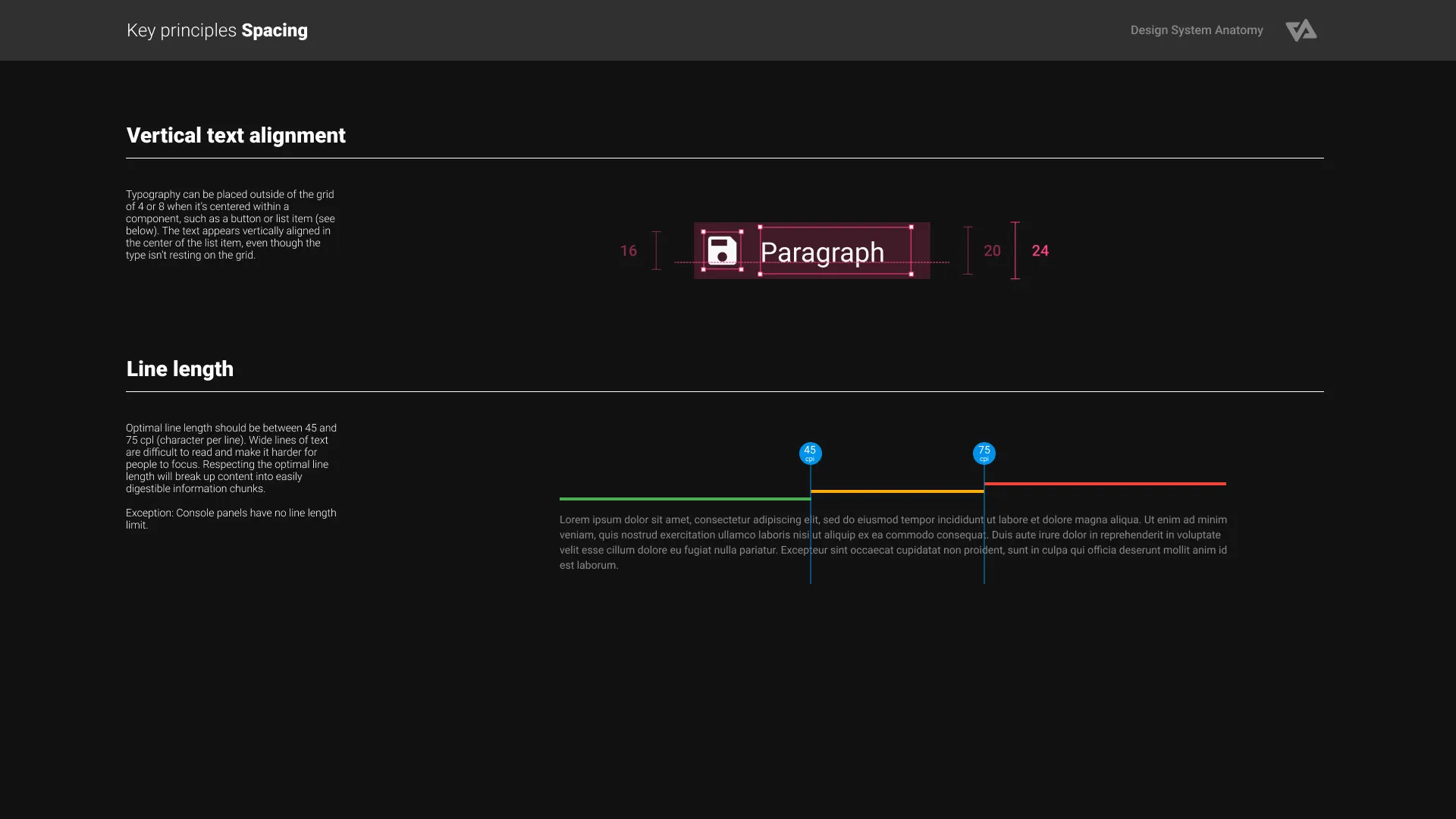
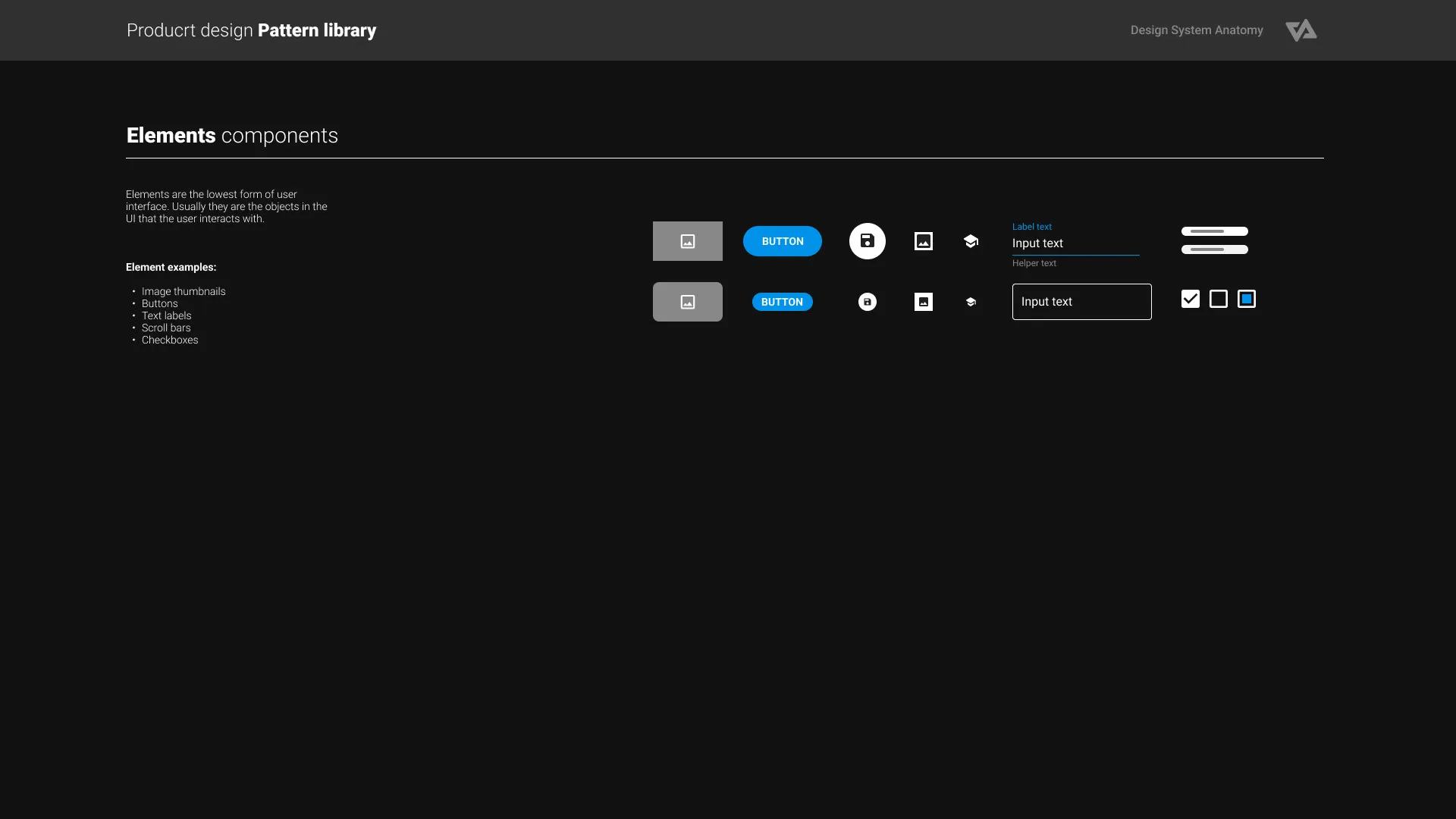
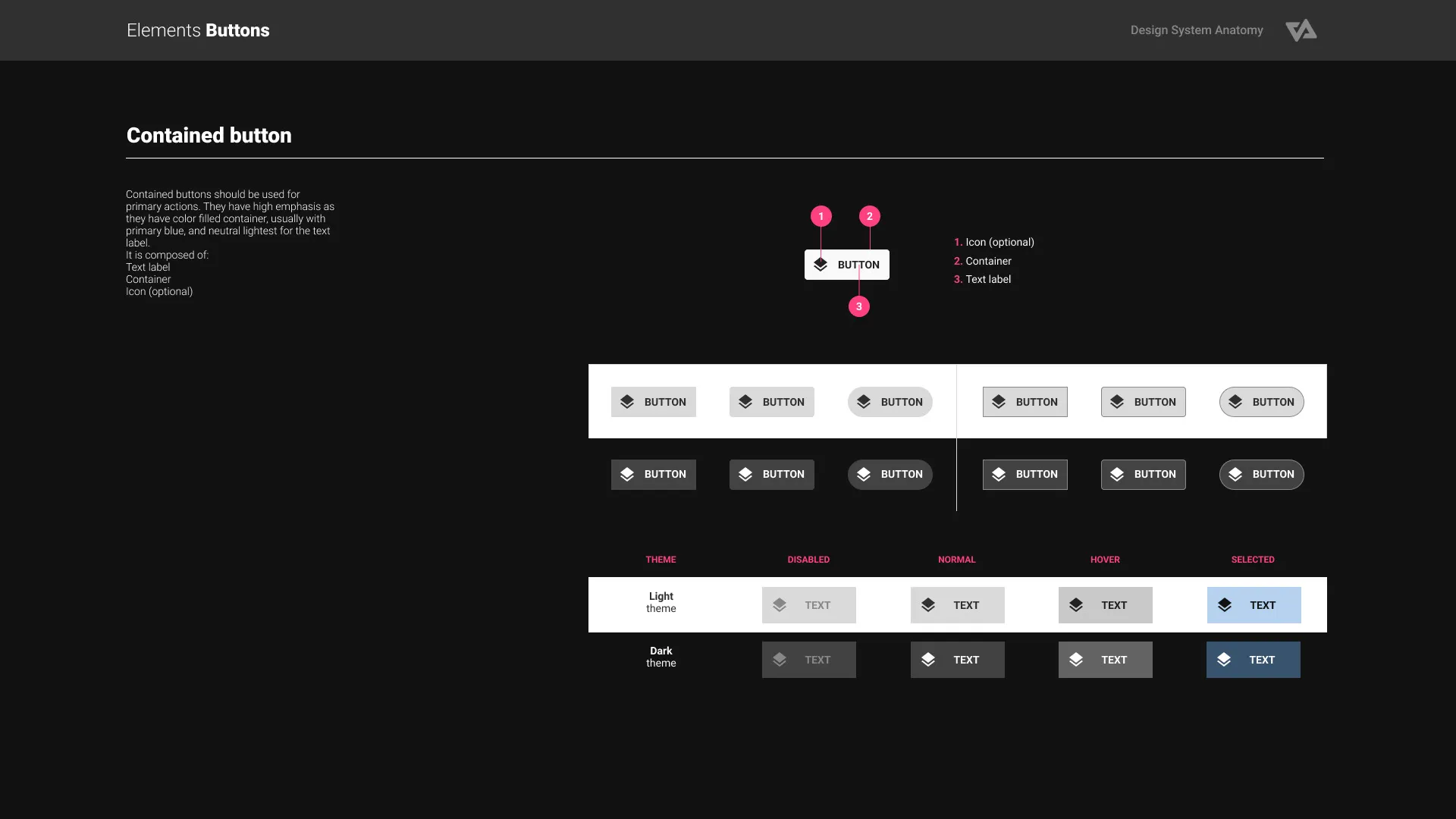
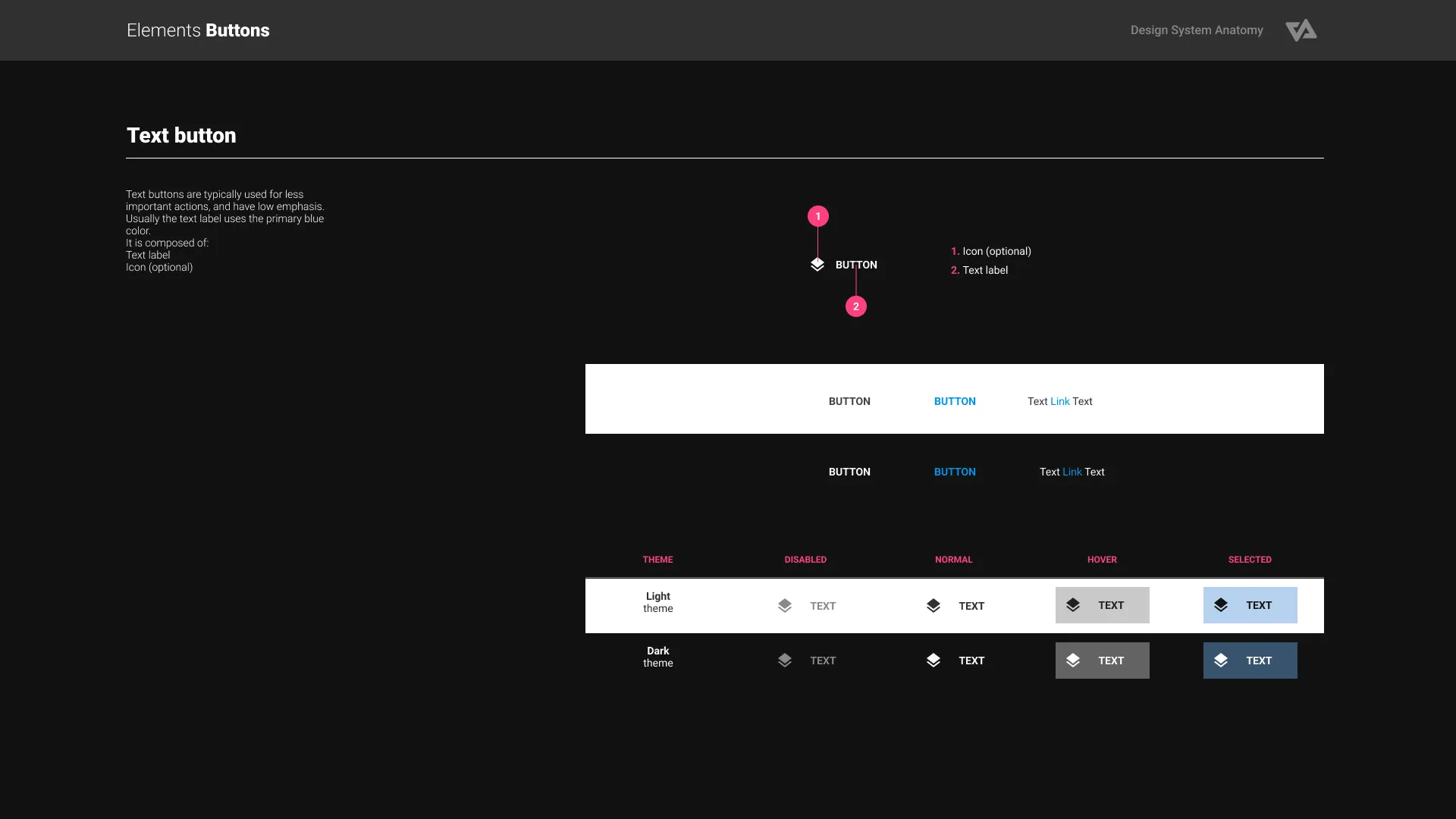
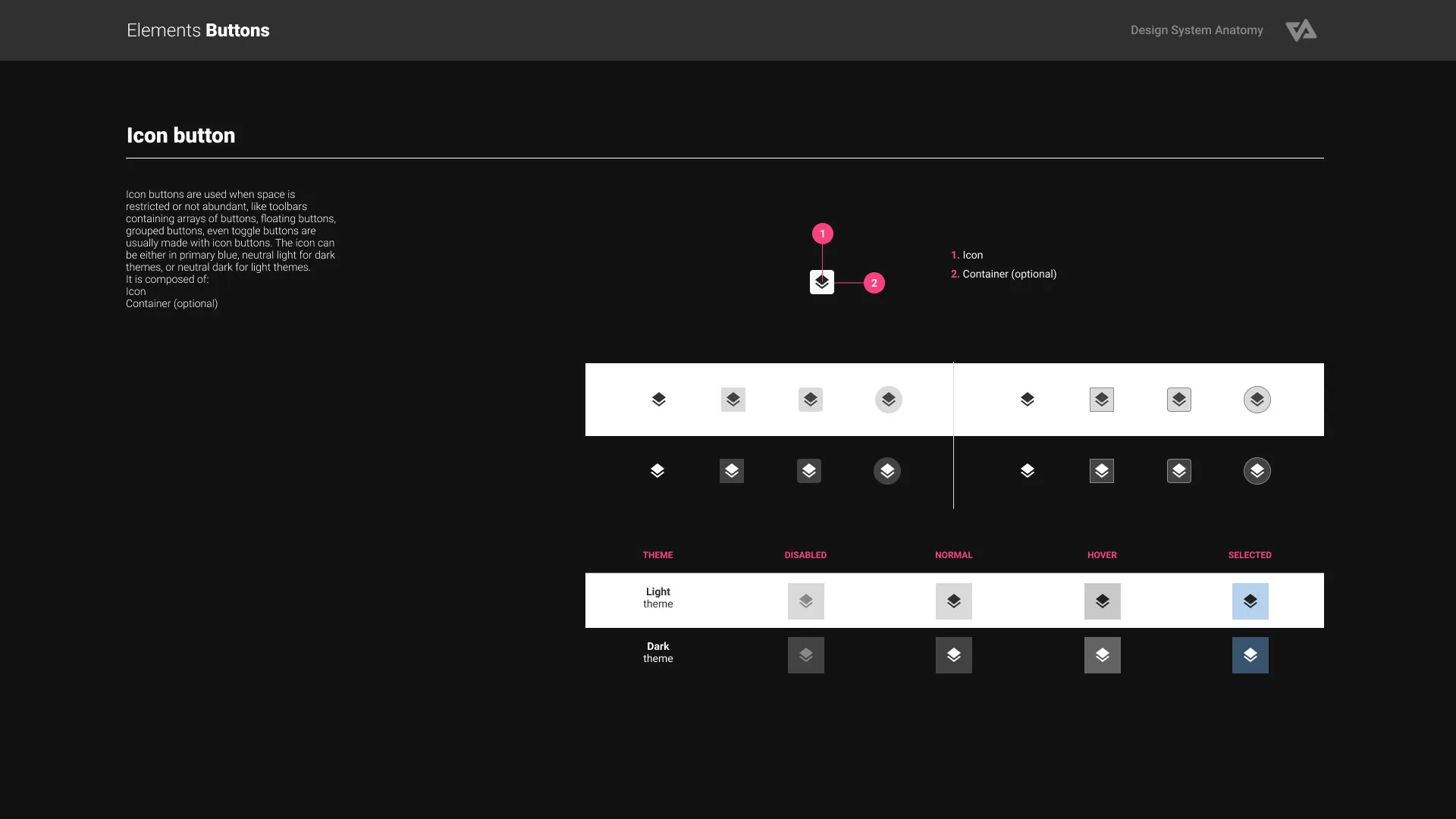
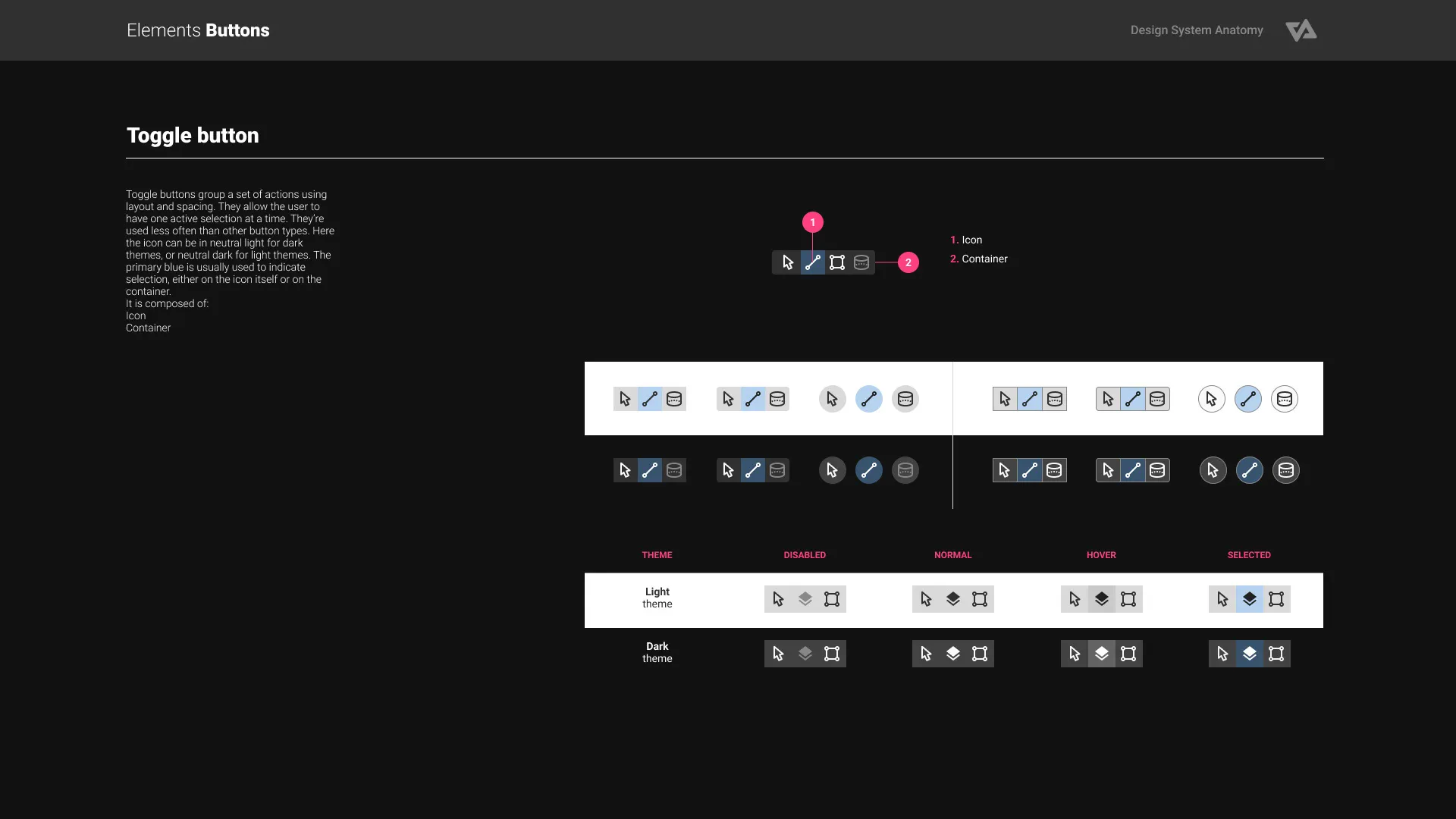
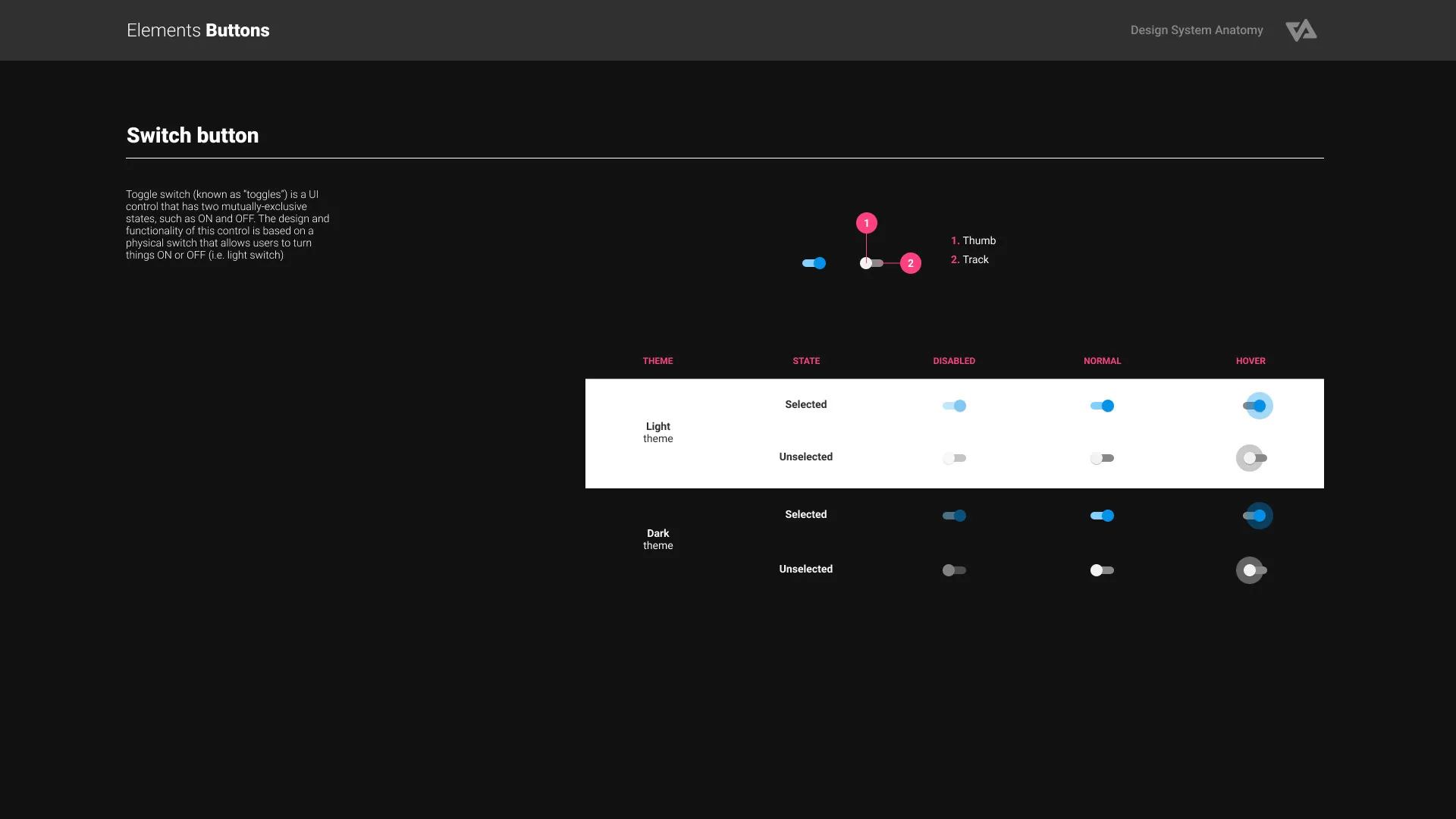
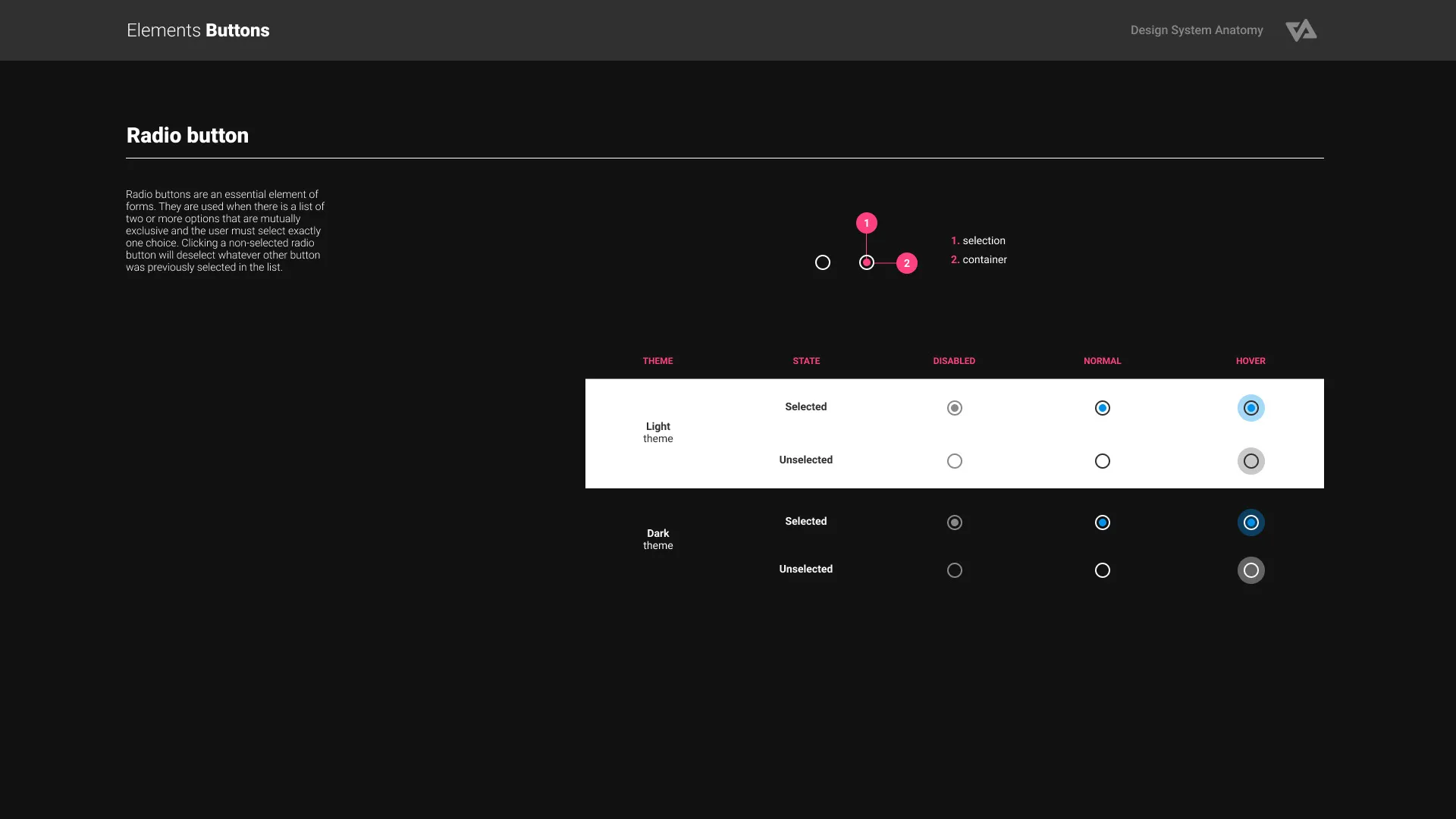
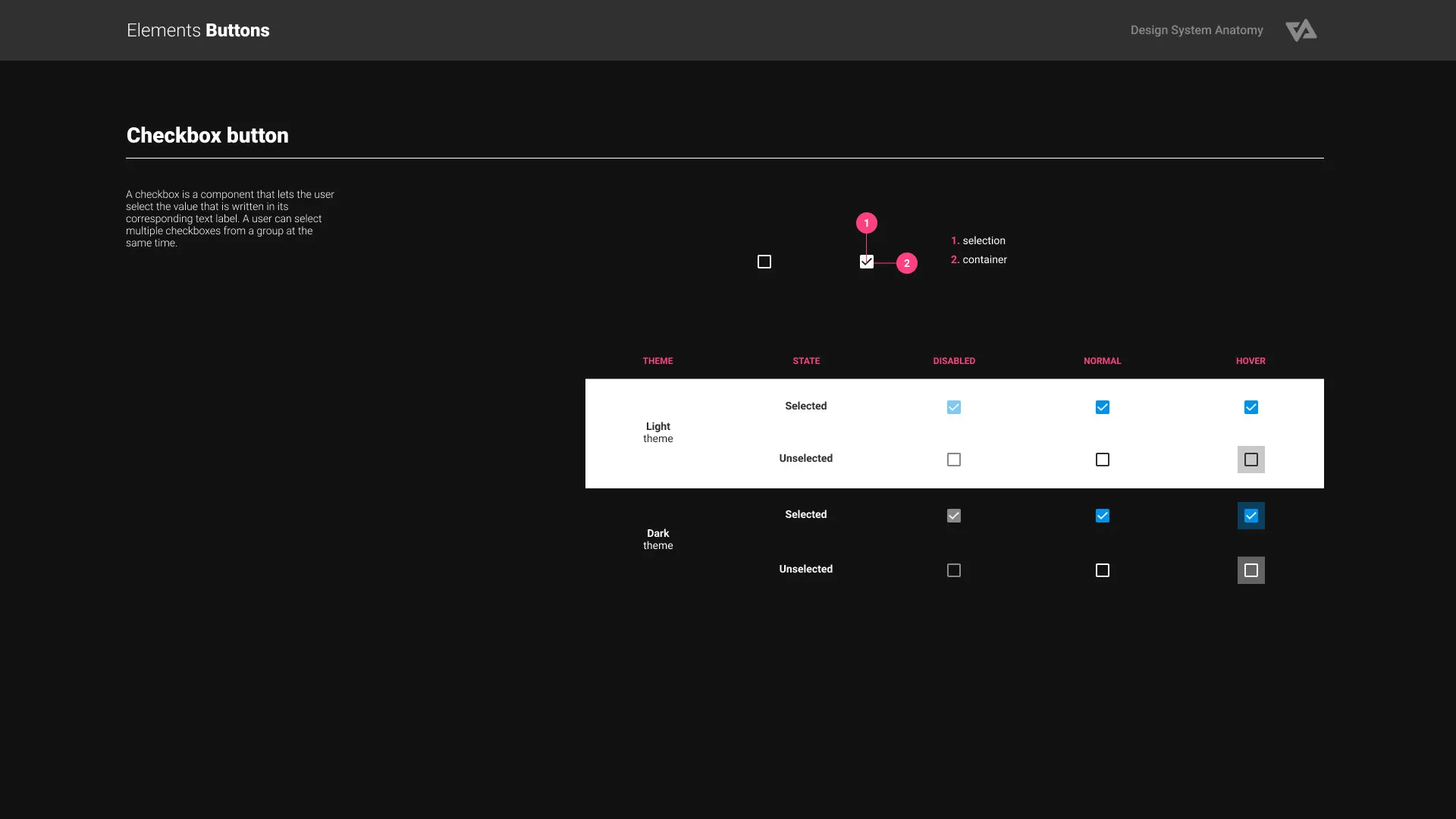
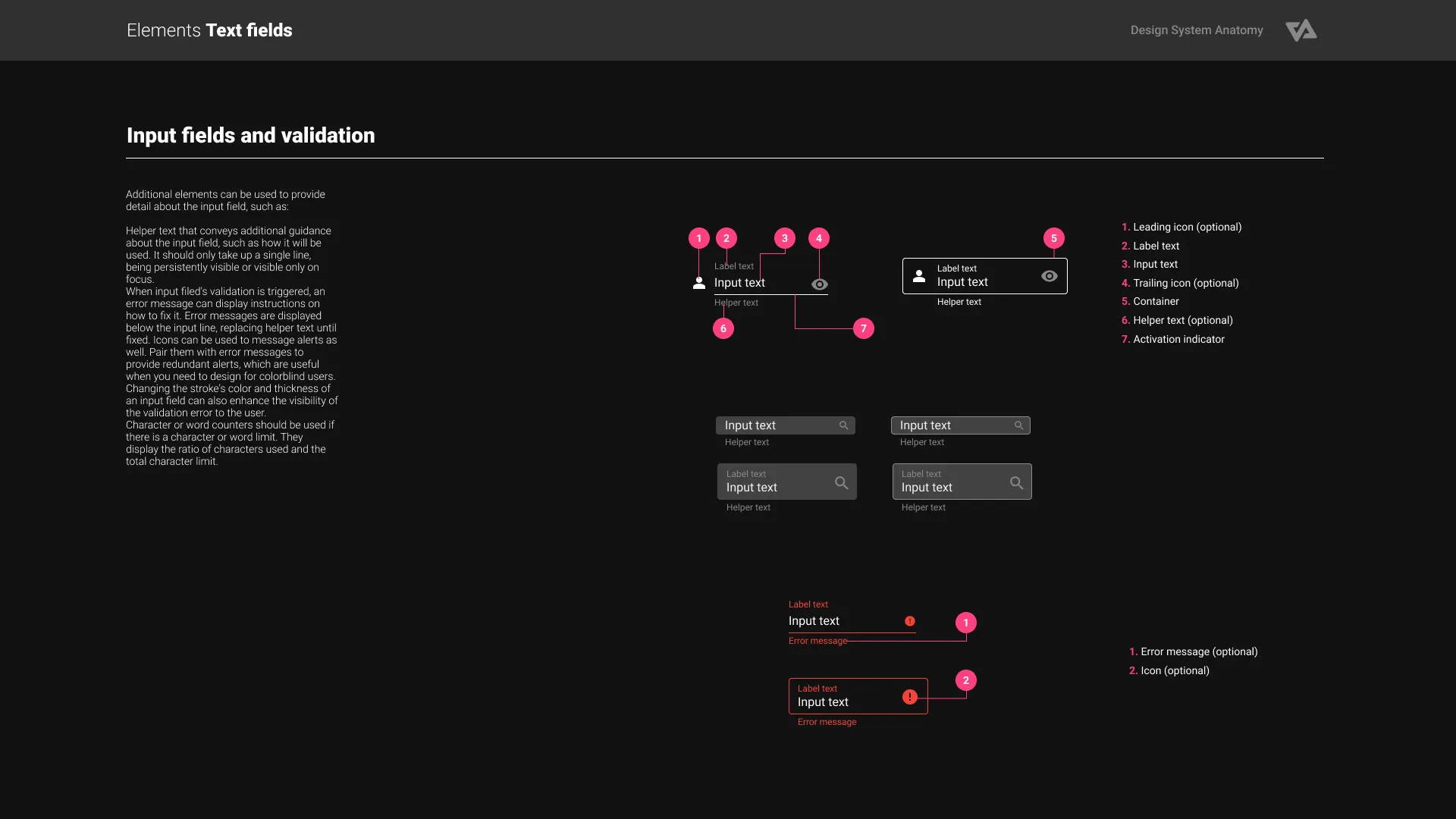
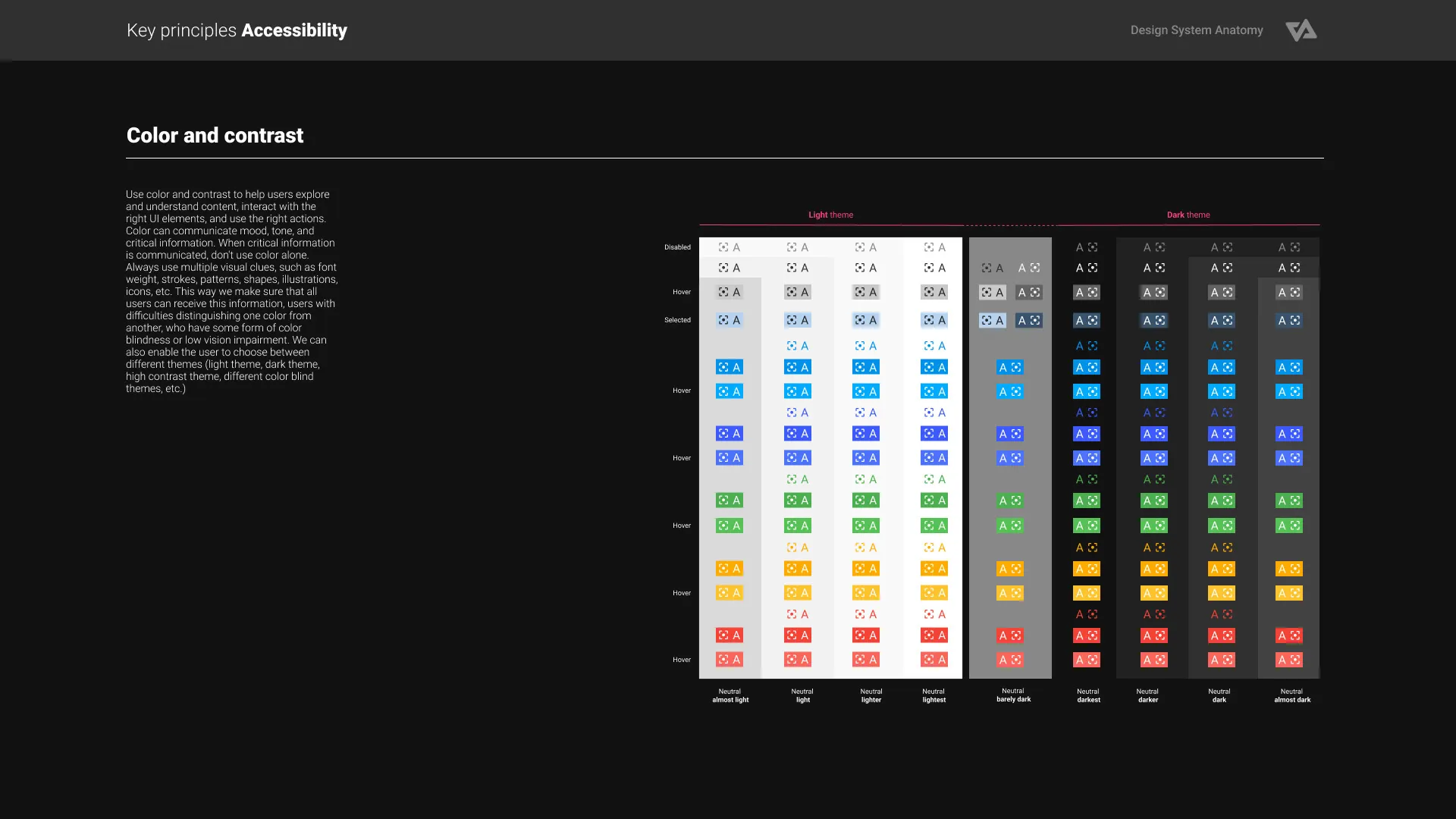
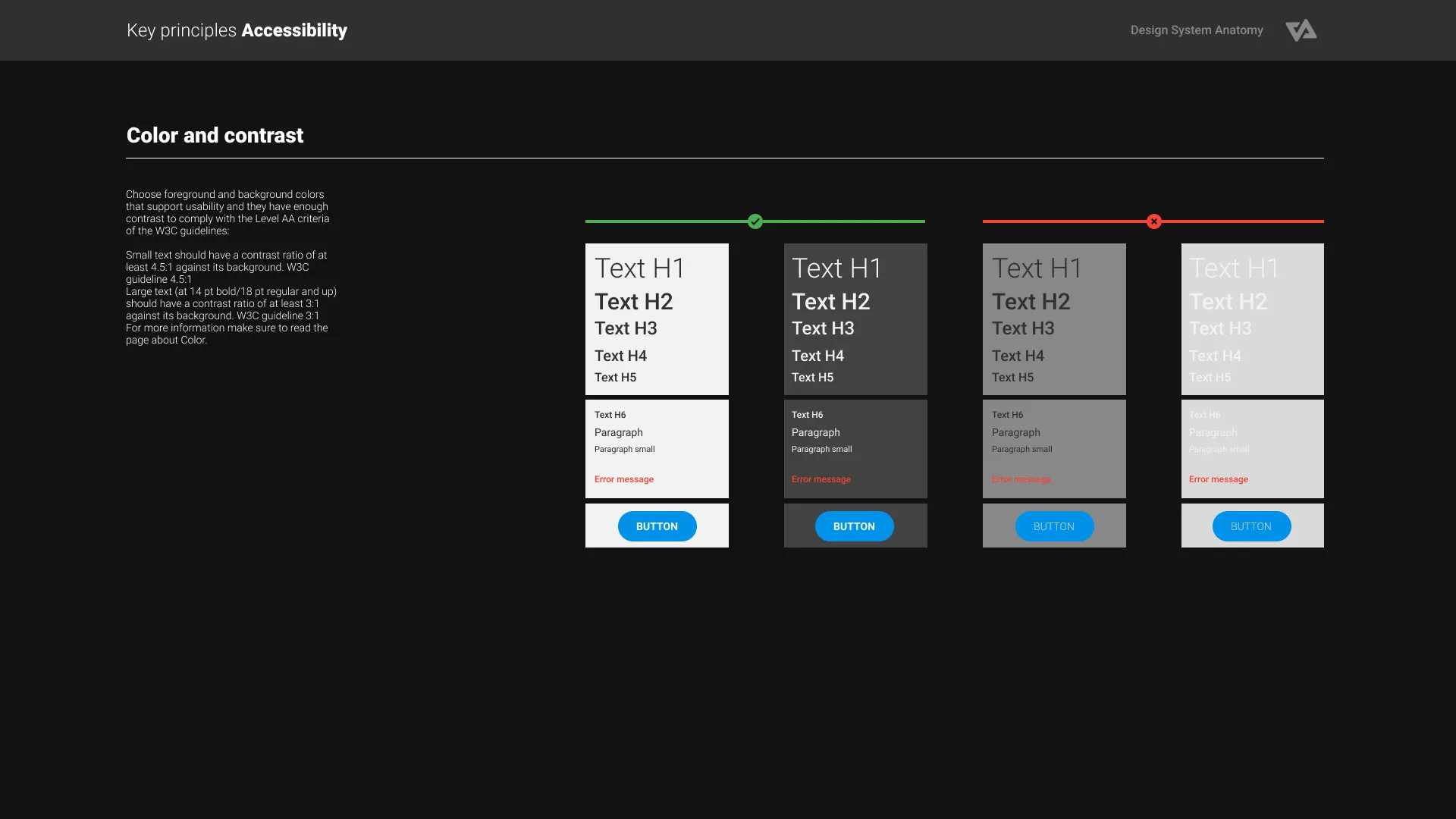
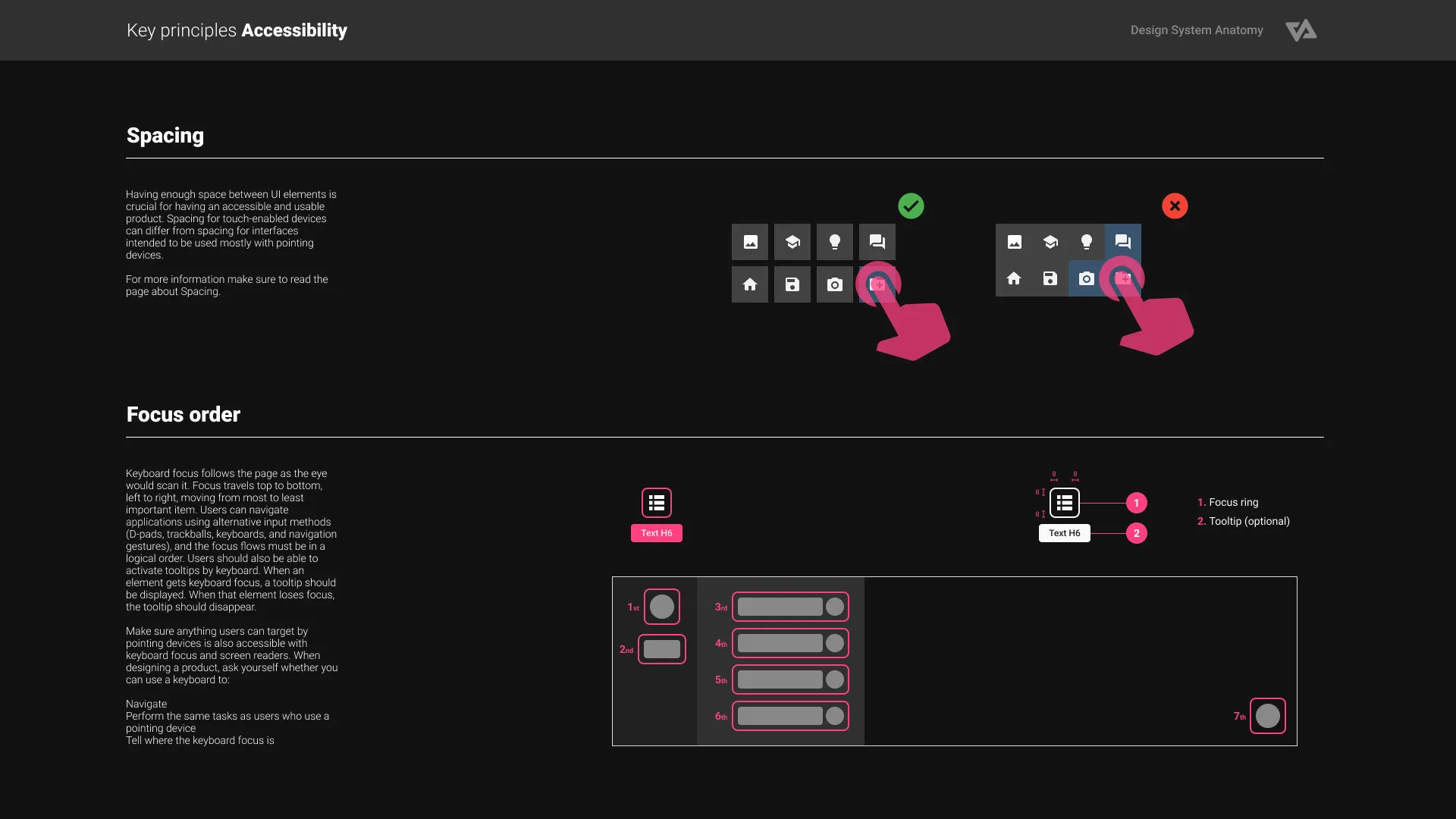
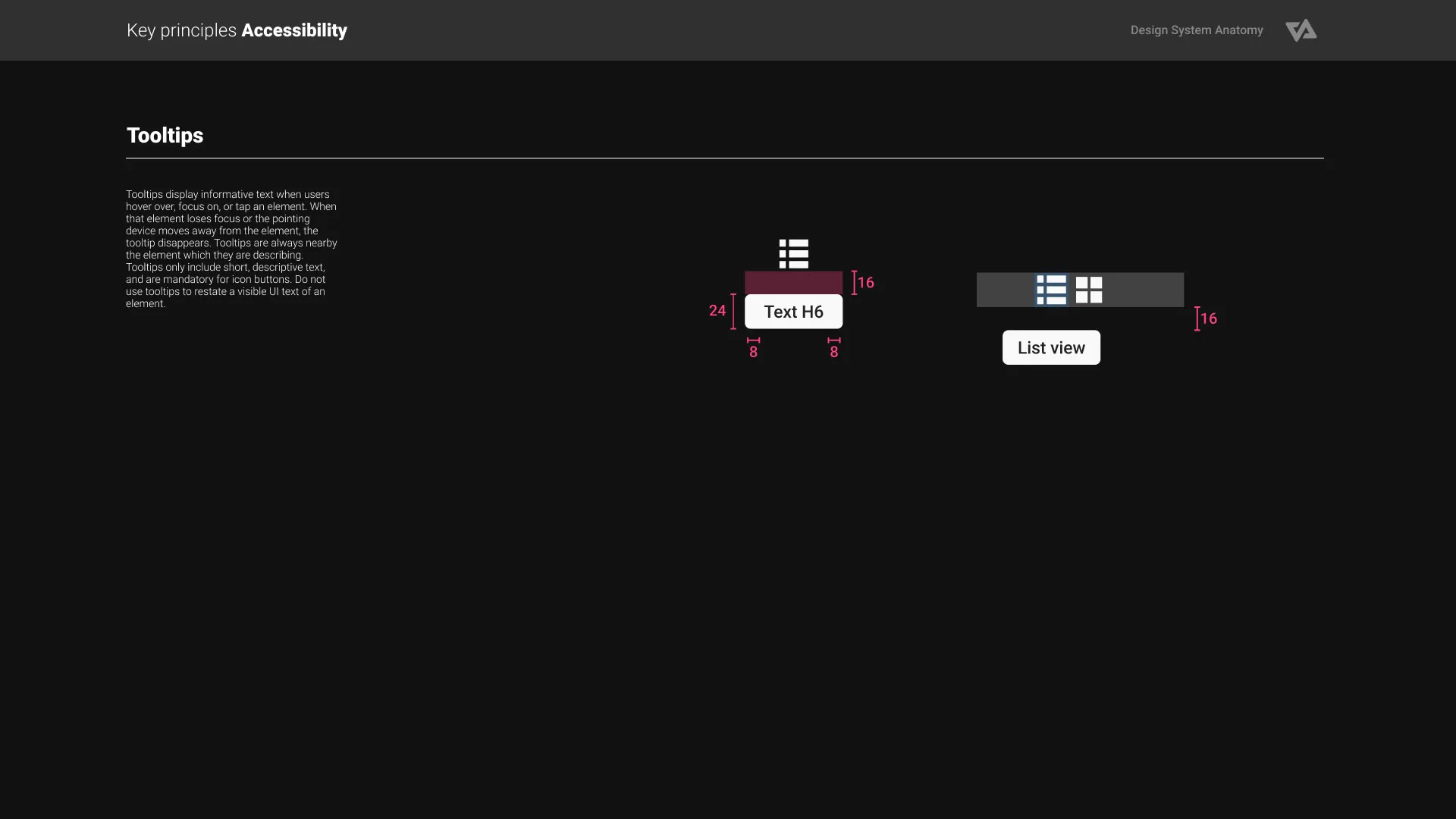
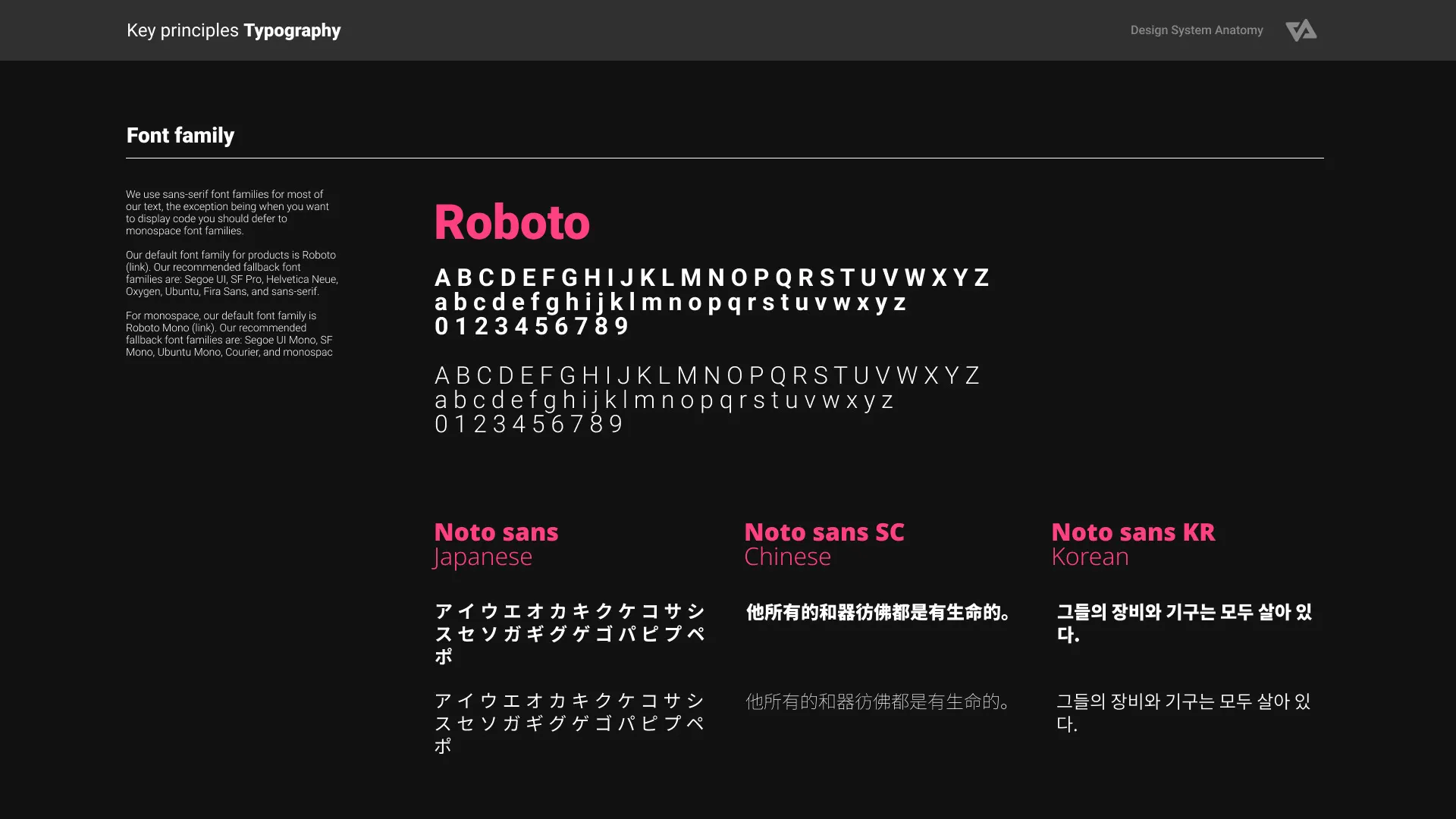
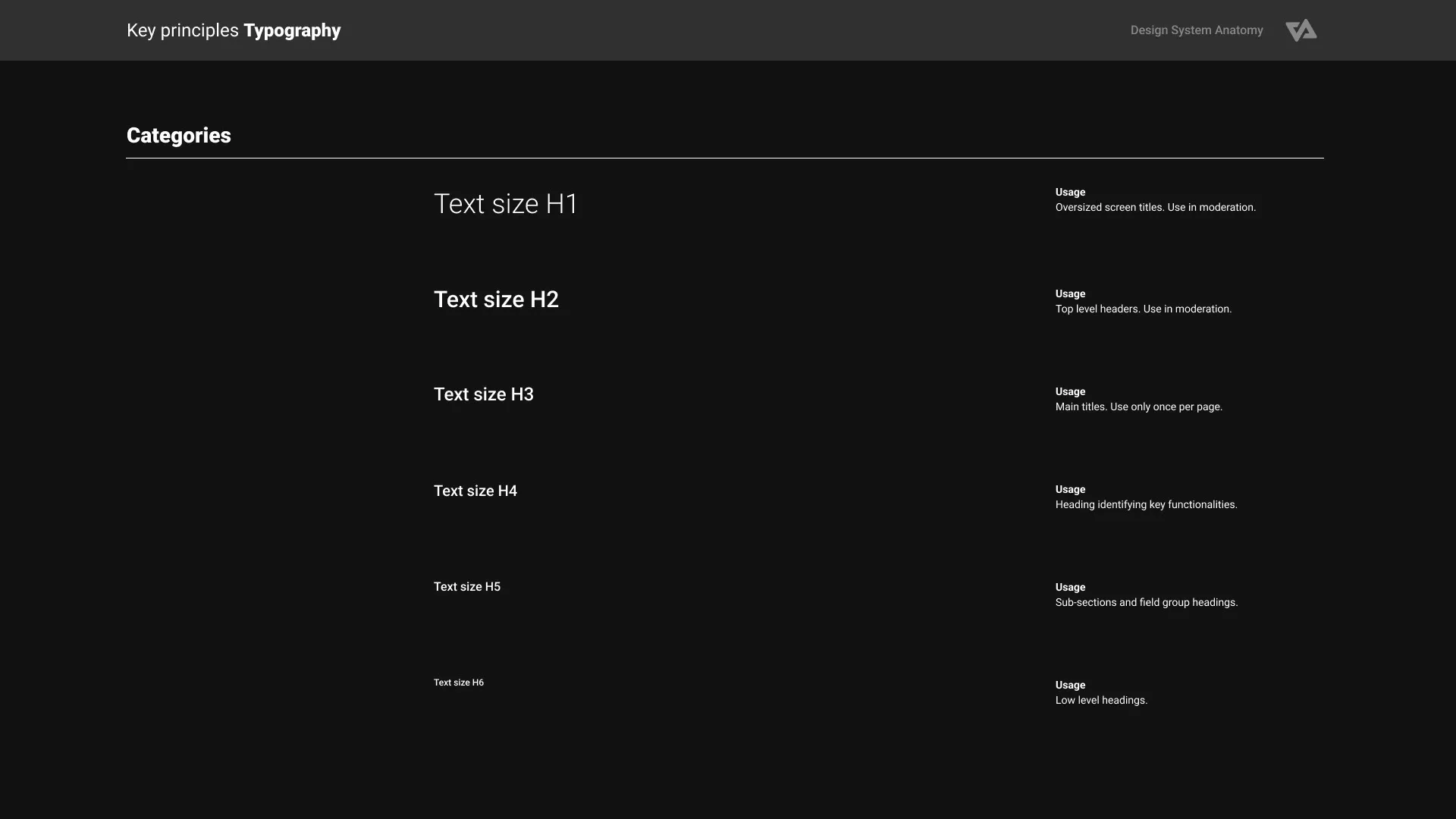
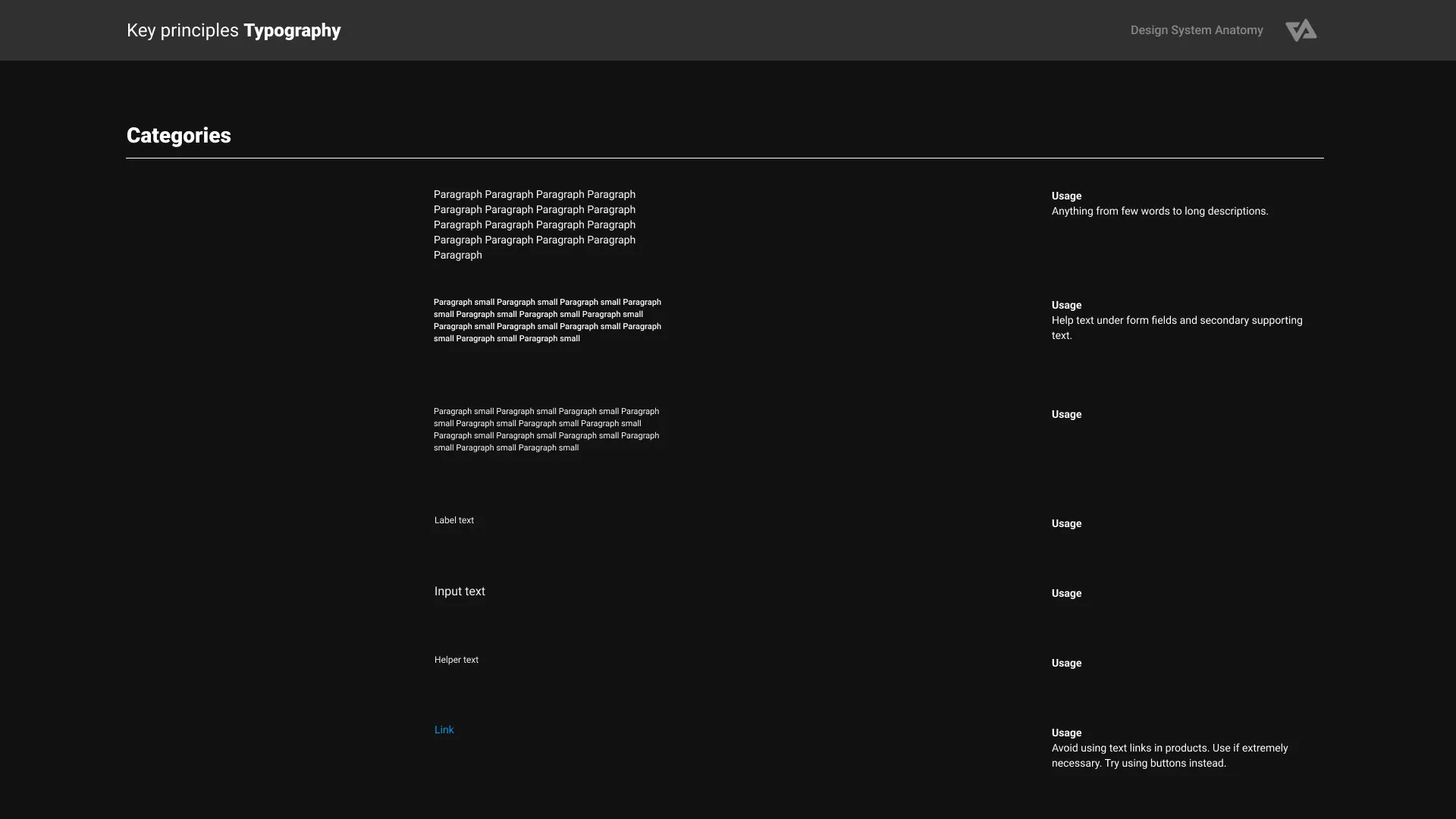
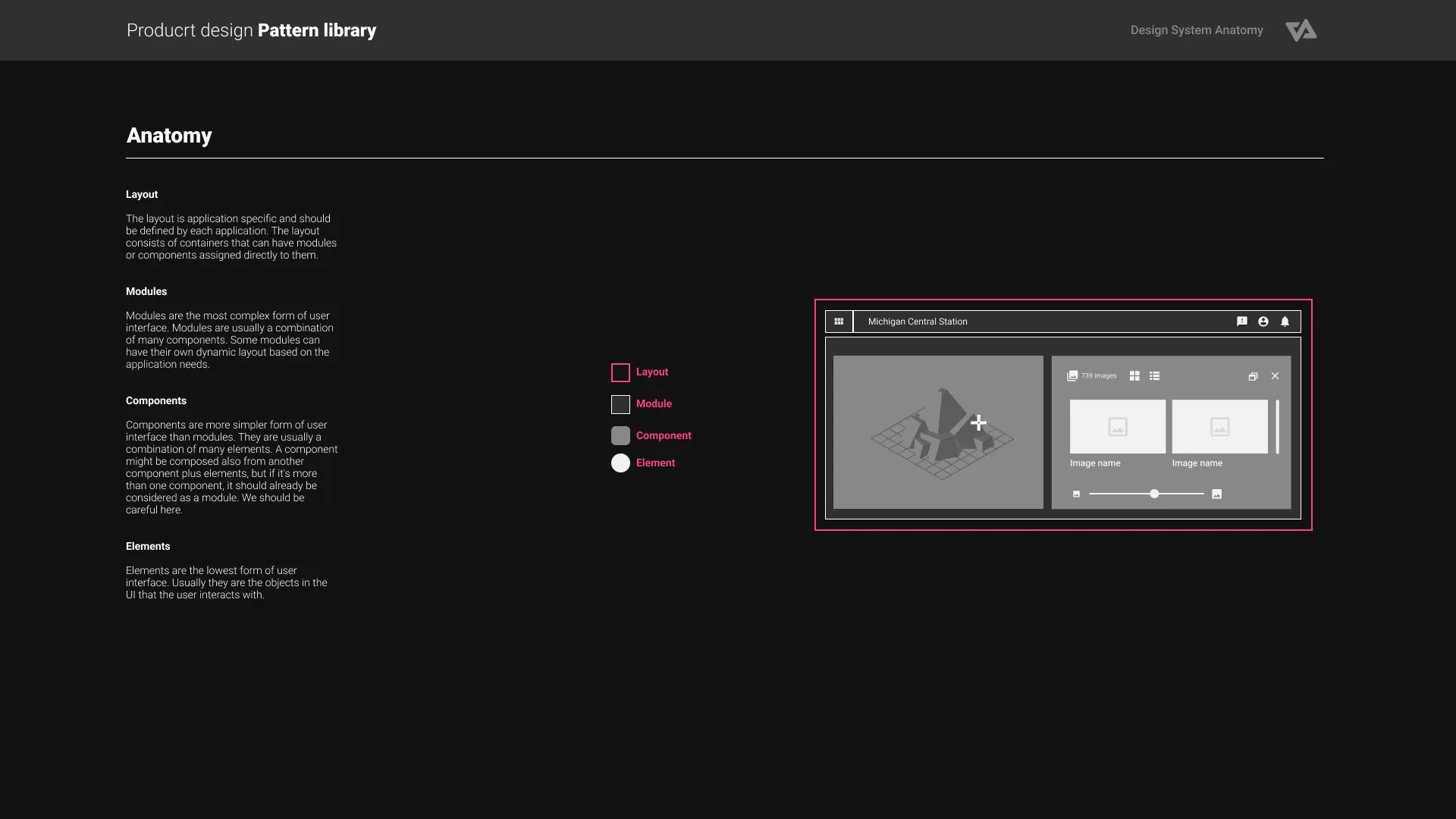
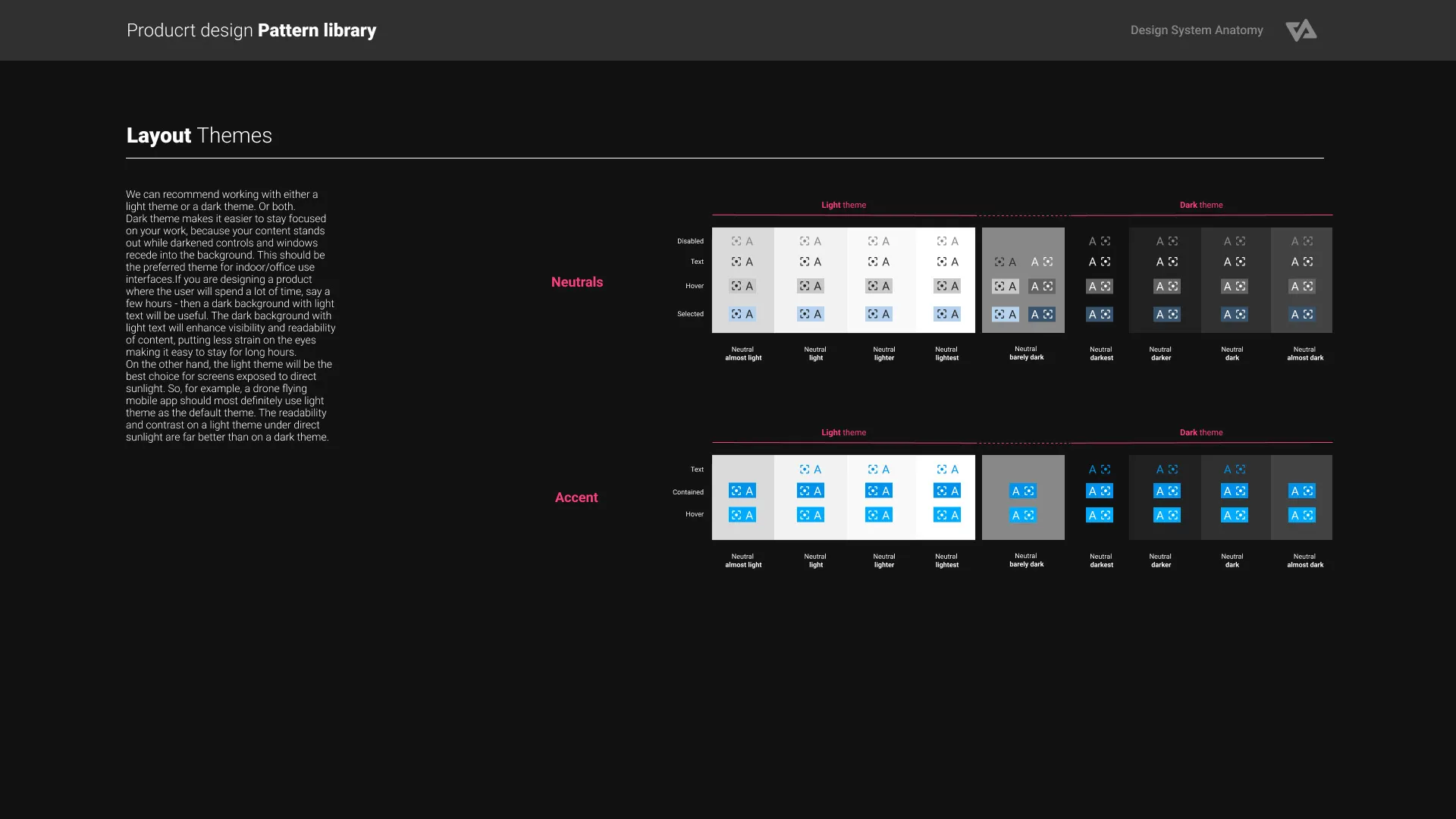
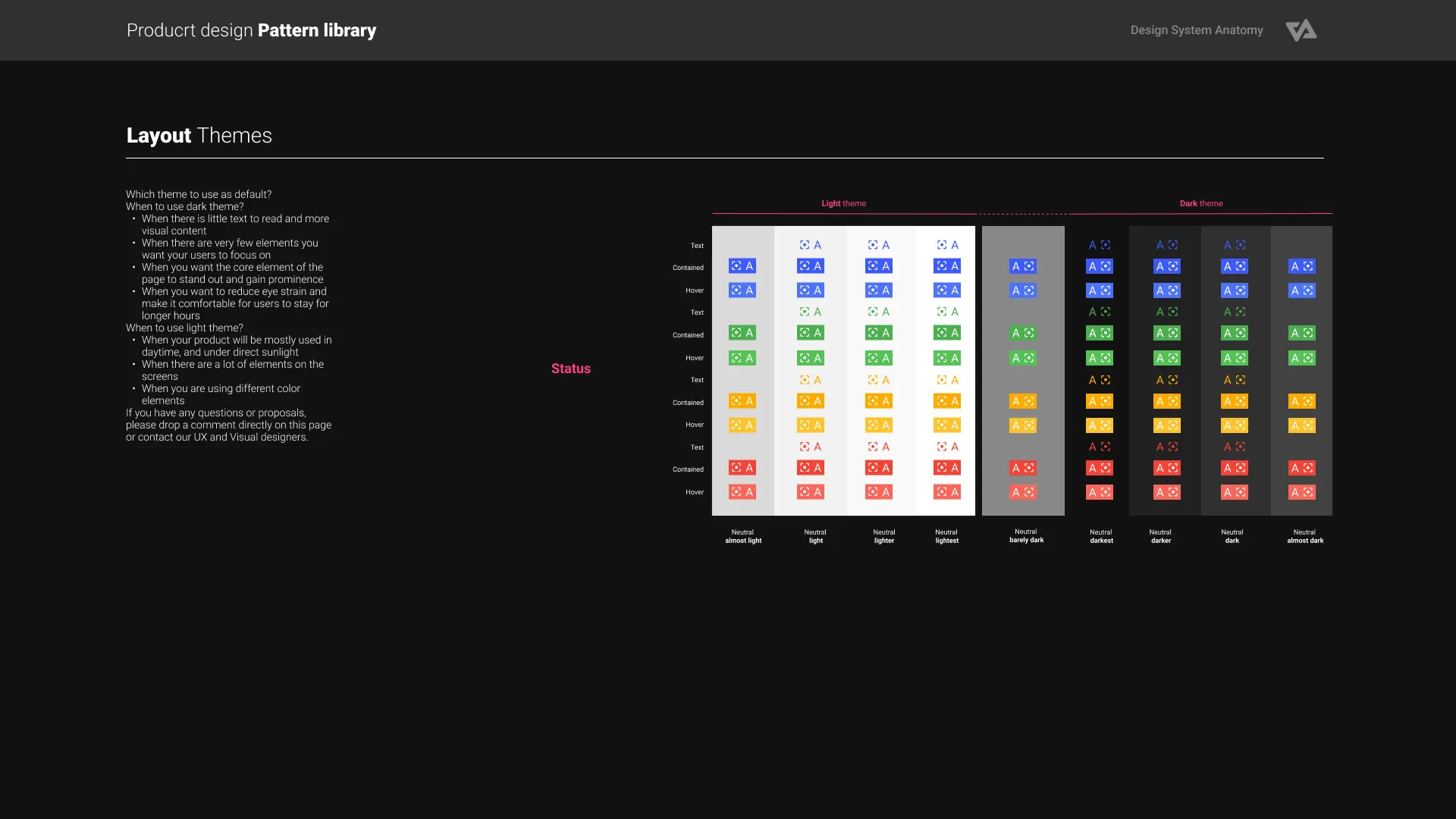
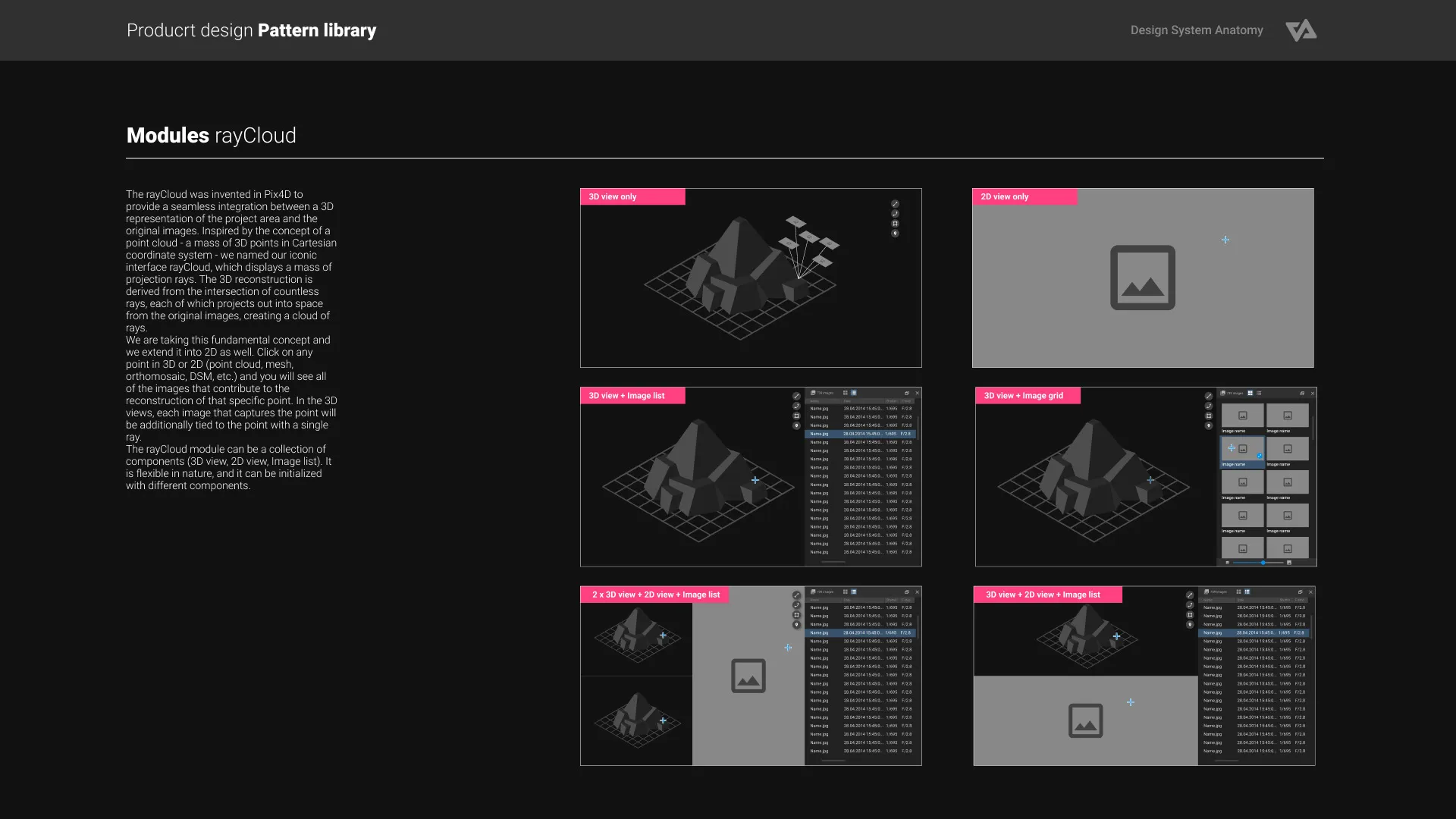
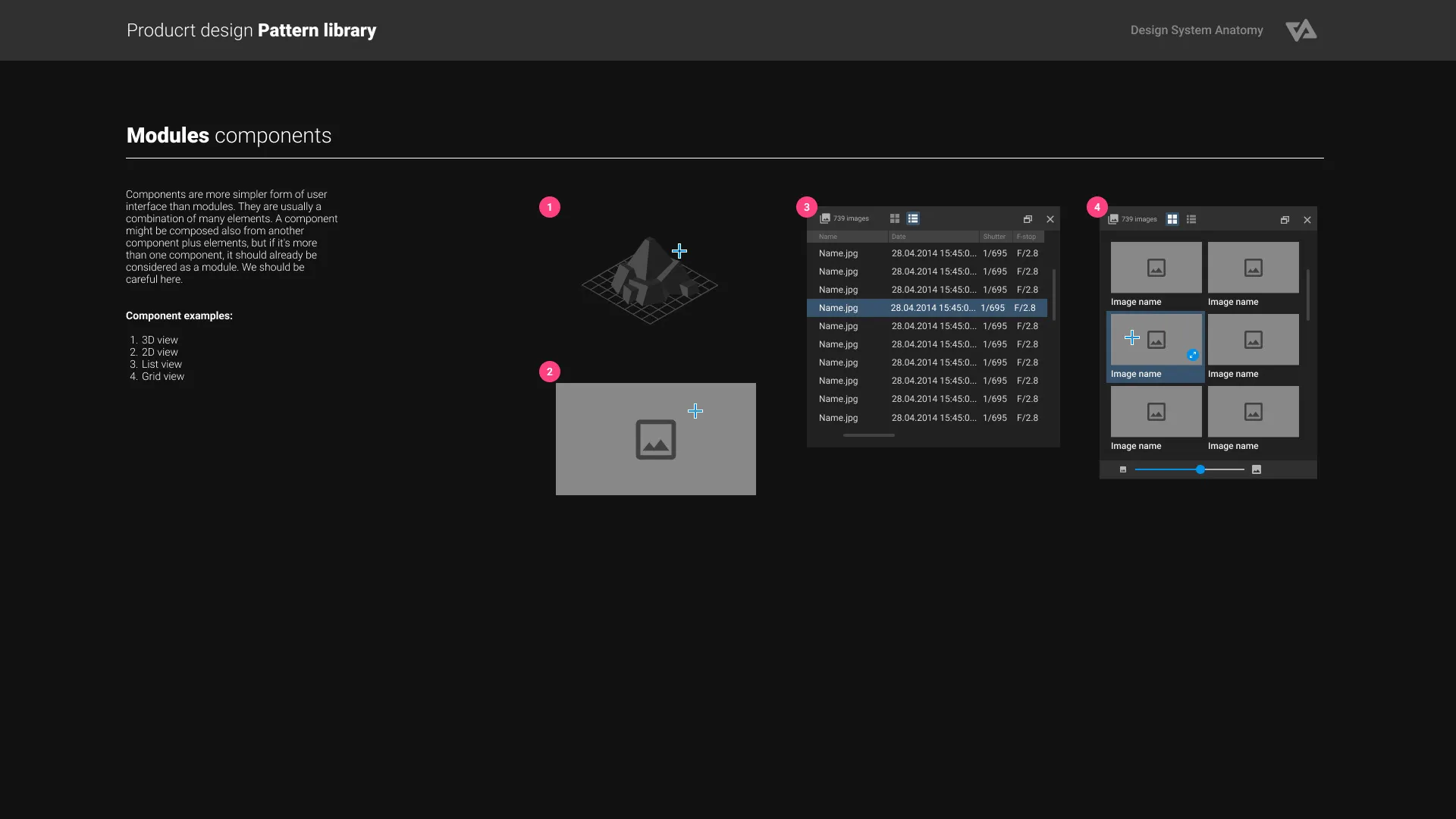
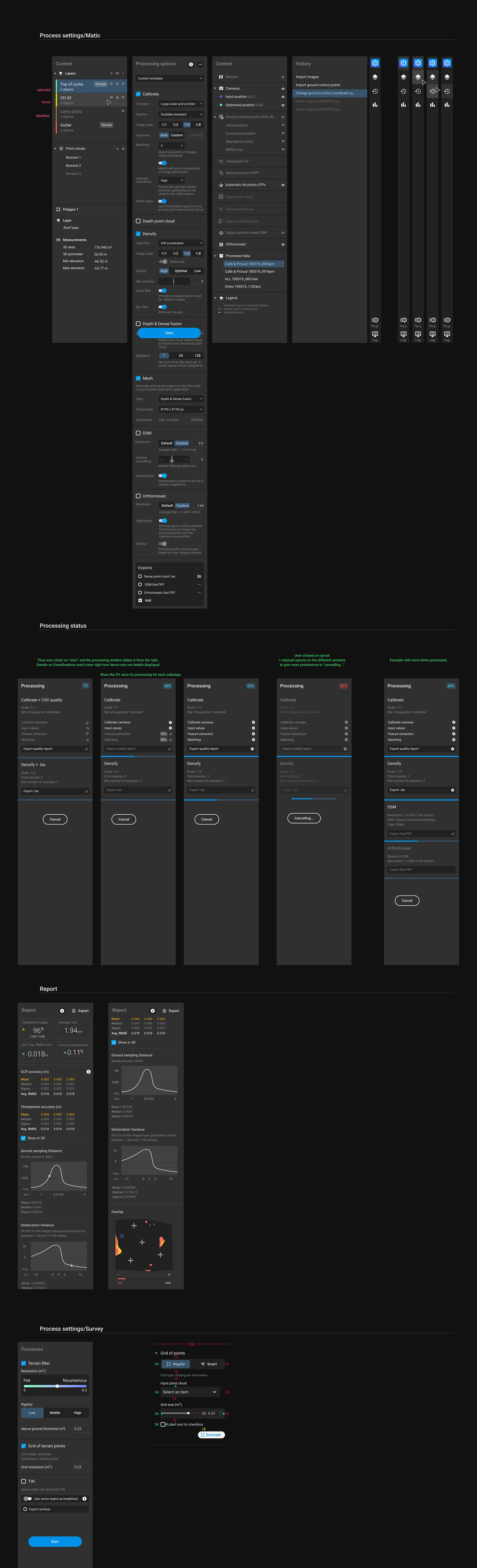
We began by identifying core components and defining the most-used interaction patterns. Our goal was to distill the visual language to its essentials—reducing the number of colors, type styles, and icon sets to a unified and functional minimum. A new shared component library was prototyped in Figma, structured around atomic design principles. It included base UI elements, composite components, templates, and platform-specific adaptations.


Test
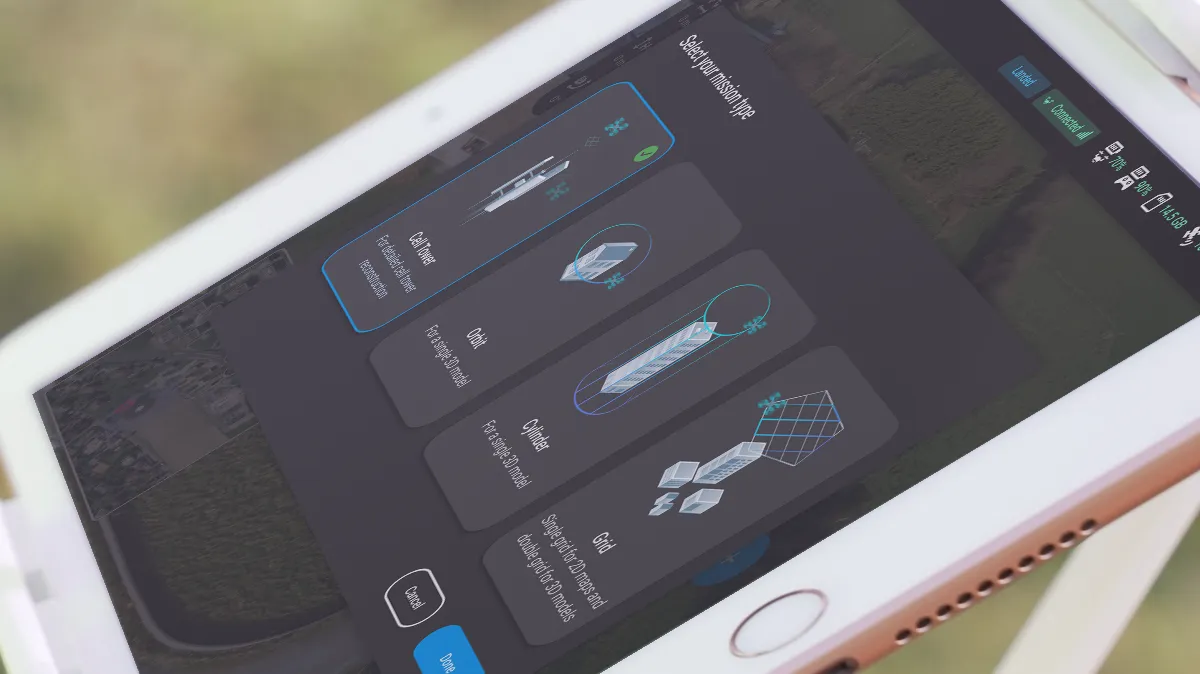
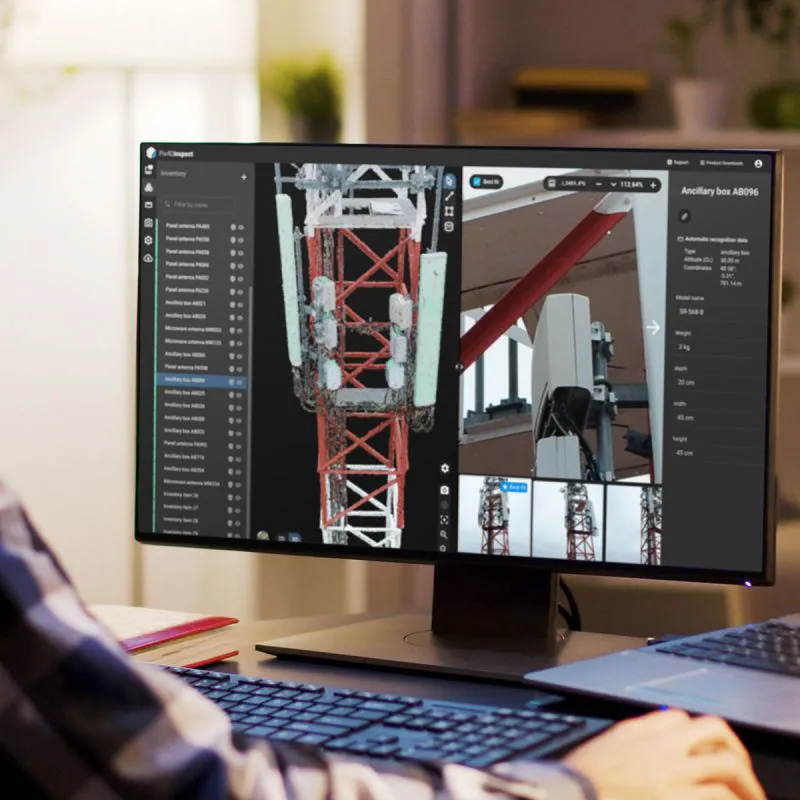
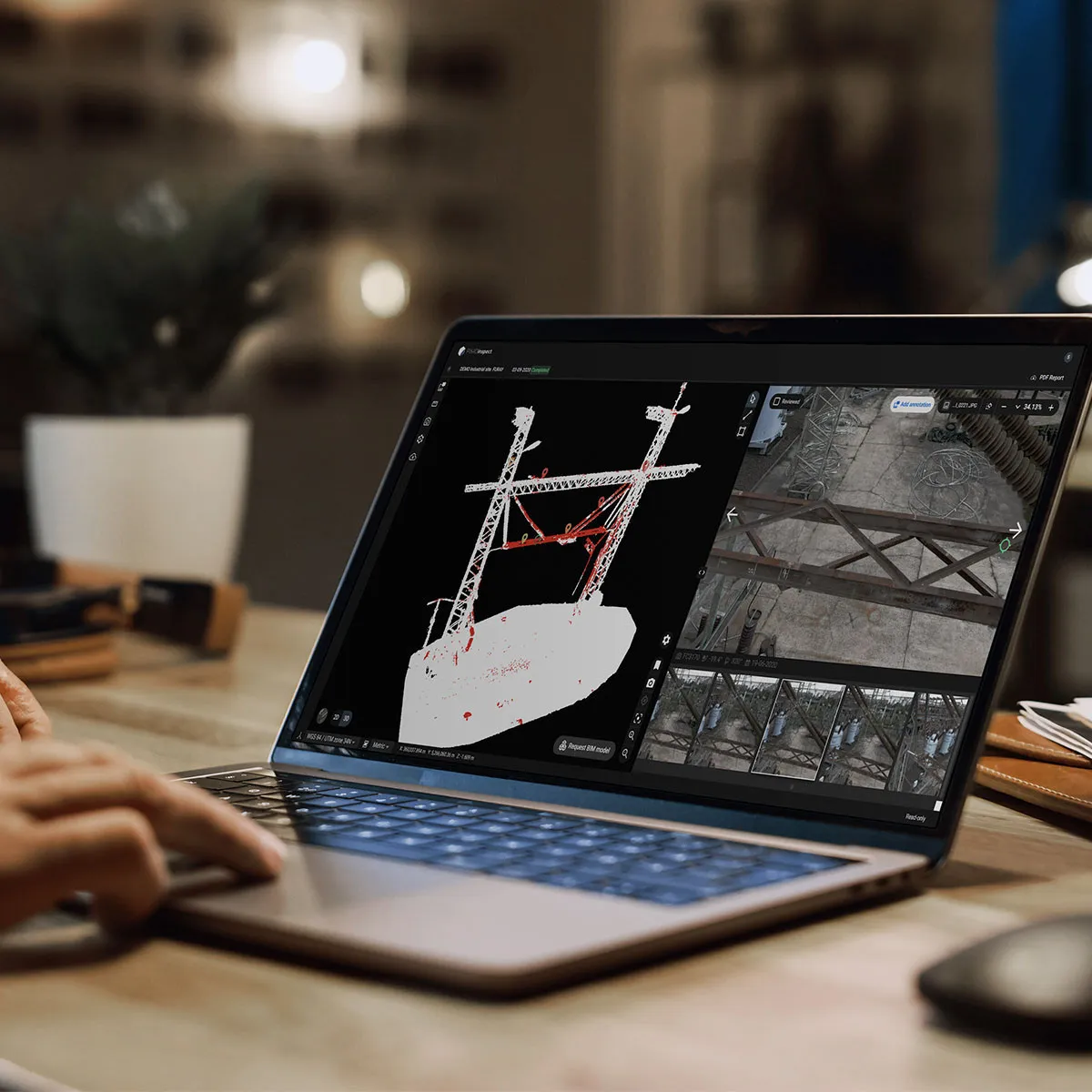
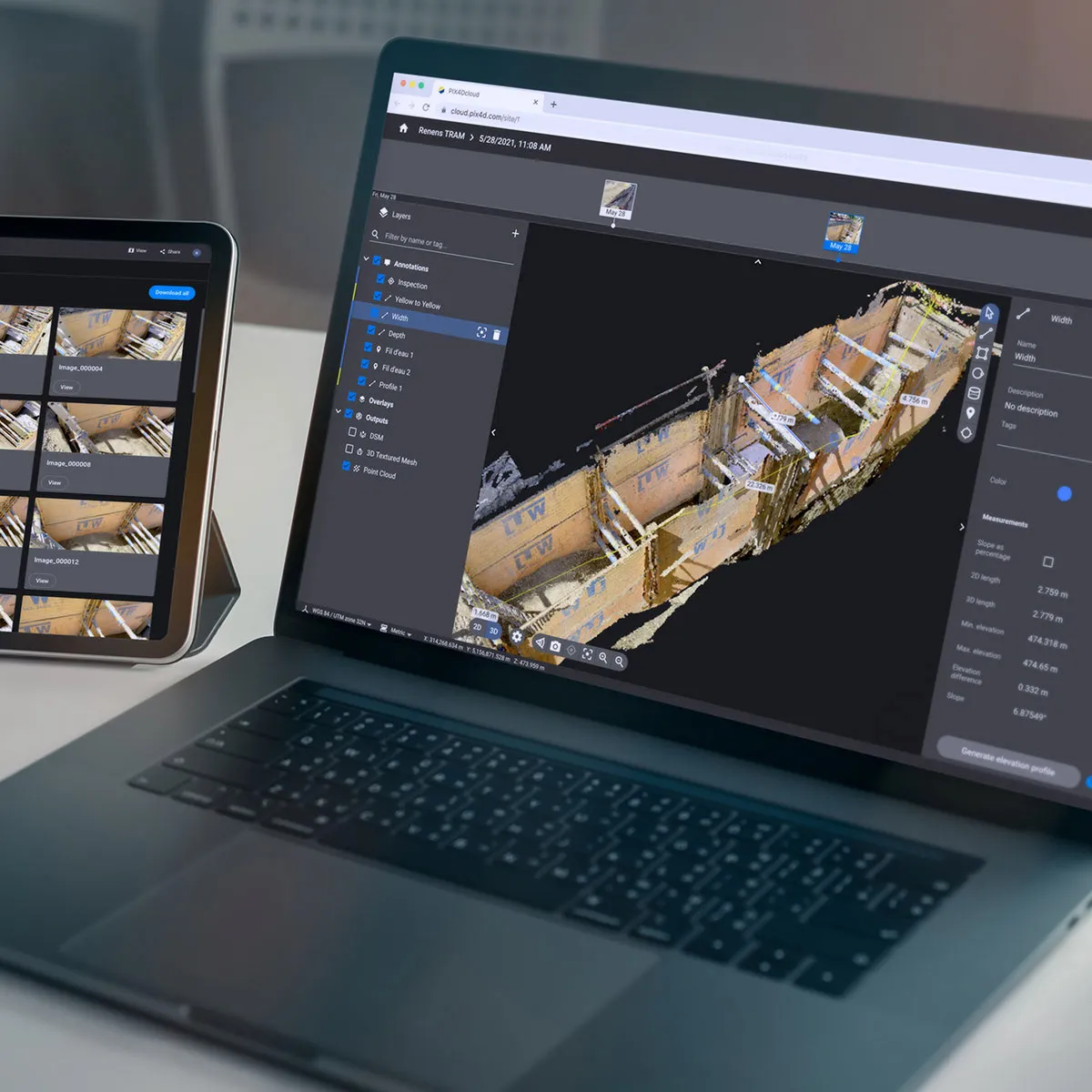
We validated the new system by redesigning key workflows in the existing products using the new components. Through user testing sessions and internal reviews with stakeholders, we gathered feedback to refine the library. This phase allowed us to test the adaptability of the system across diverse use cases and user contexts, ensuring it could scale across existing and future products.
IMPLEMENTATION
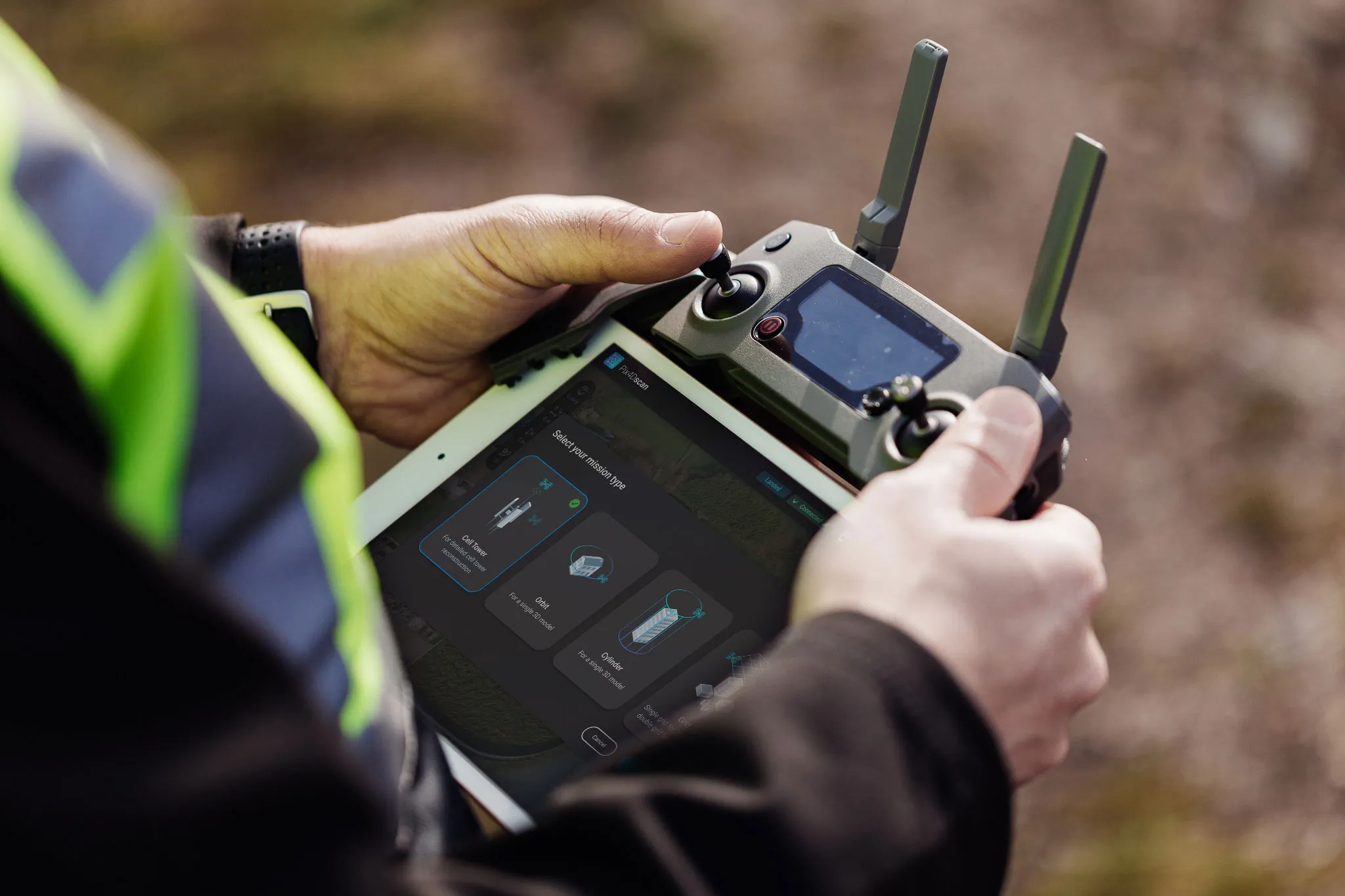
The new design system was progressively rolled out across all existing products. UI components were integrated into frontend codebases, and documentation was created to ensure consistent usage by both designers and developers. The implementation included cross-functional workshops and design reviews to facilitate smooth adoption across teams and regions.

AUTOMATIZATION
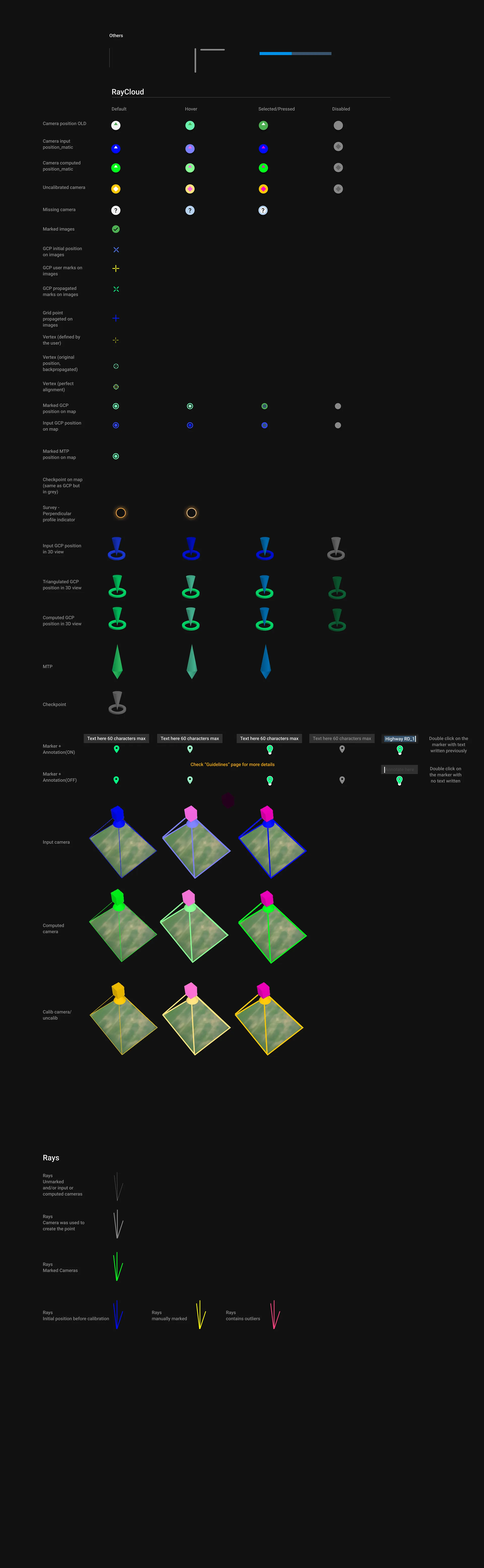
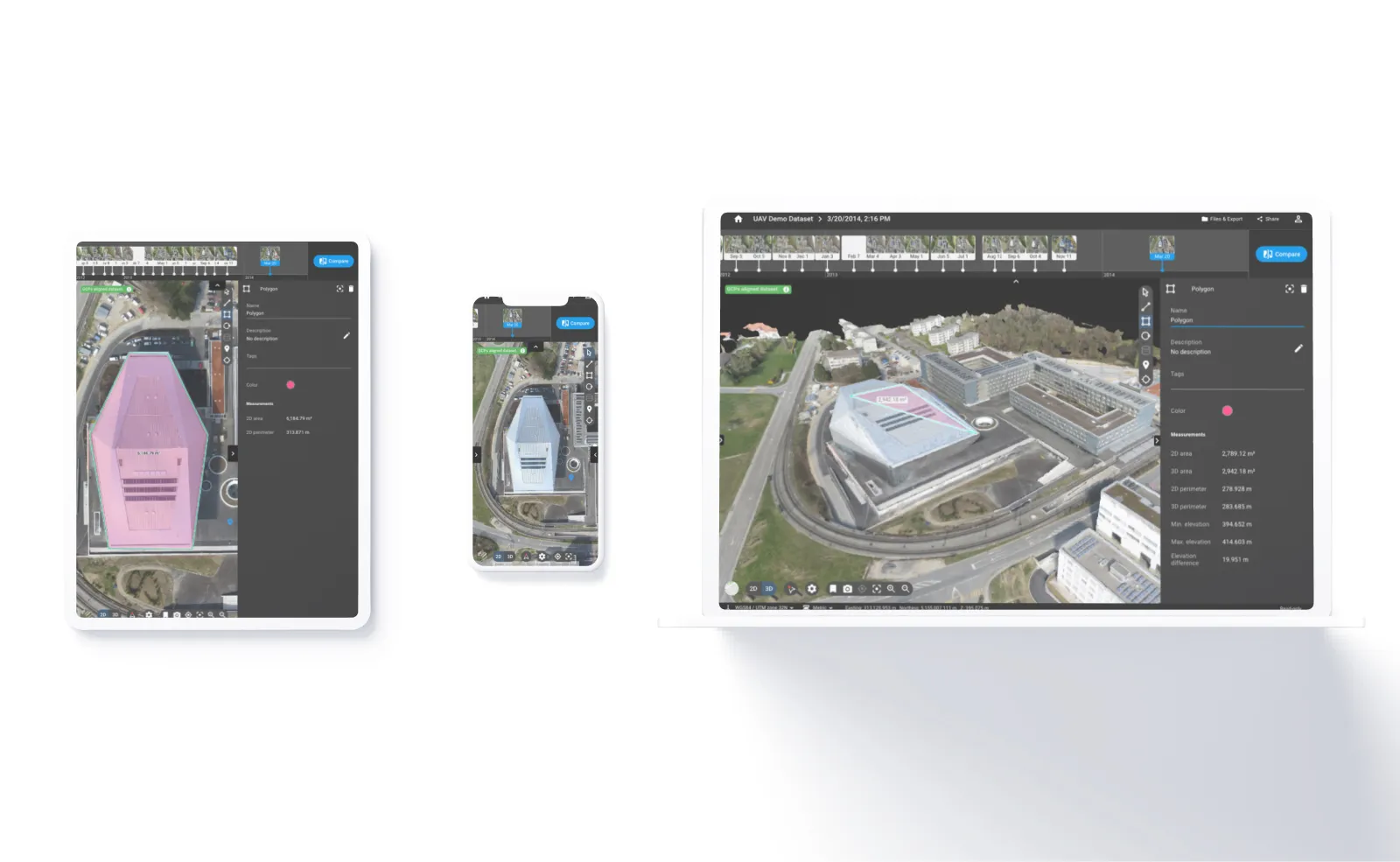
A major breakthrough came through close collaboration with the development team. Together, we created a process to automatically sync and update the design system libraries across platforms. With a single update, UI components were refreshed across all connected products, reducing manual overhead and minimizing the risk of design drift.
OUTCOME
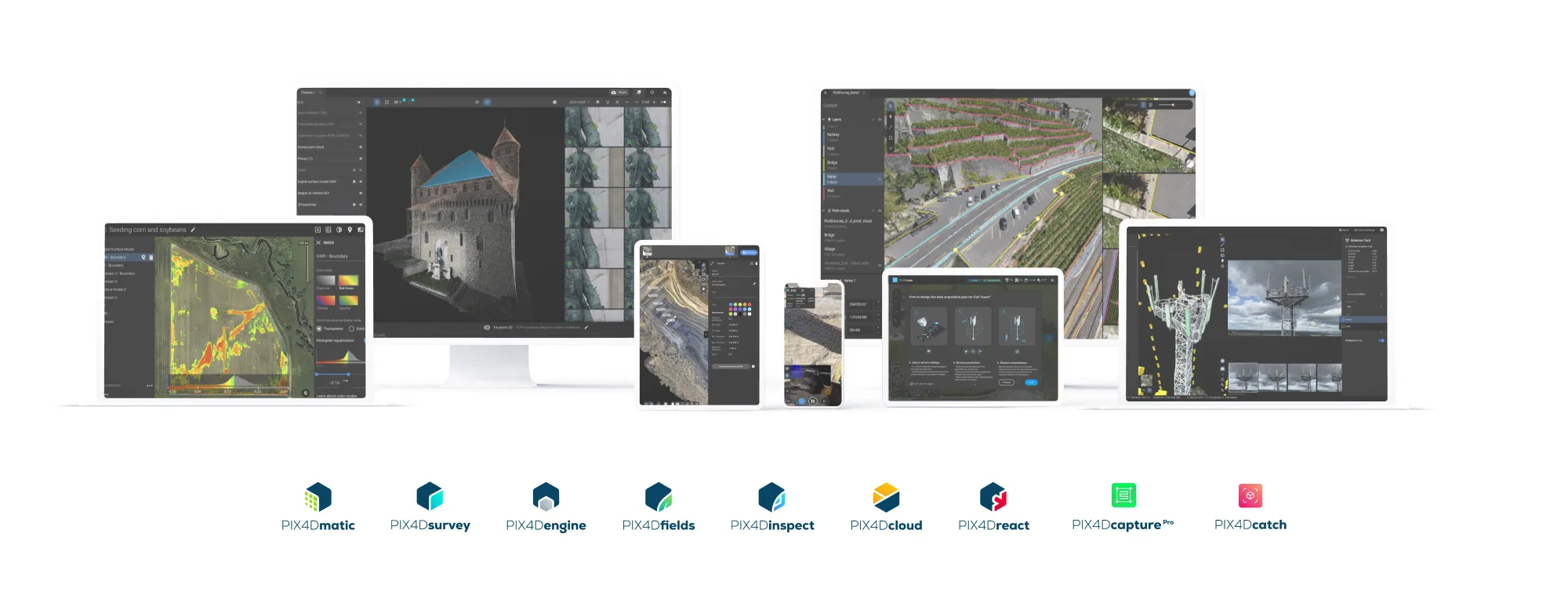
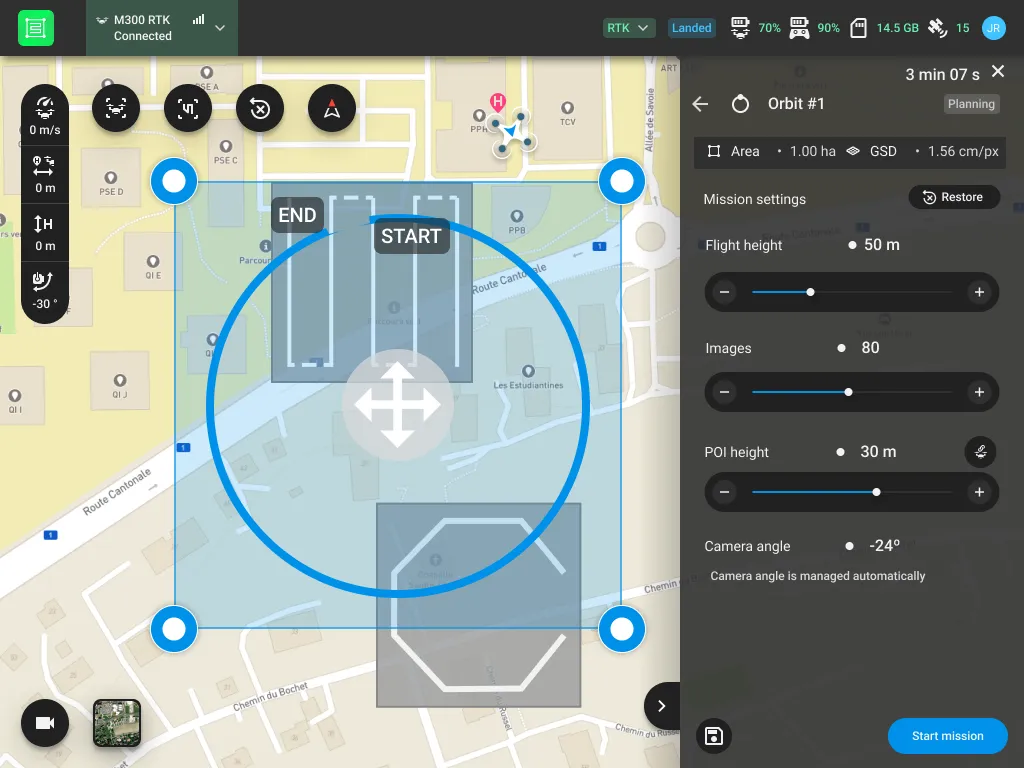
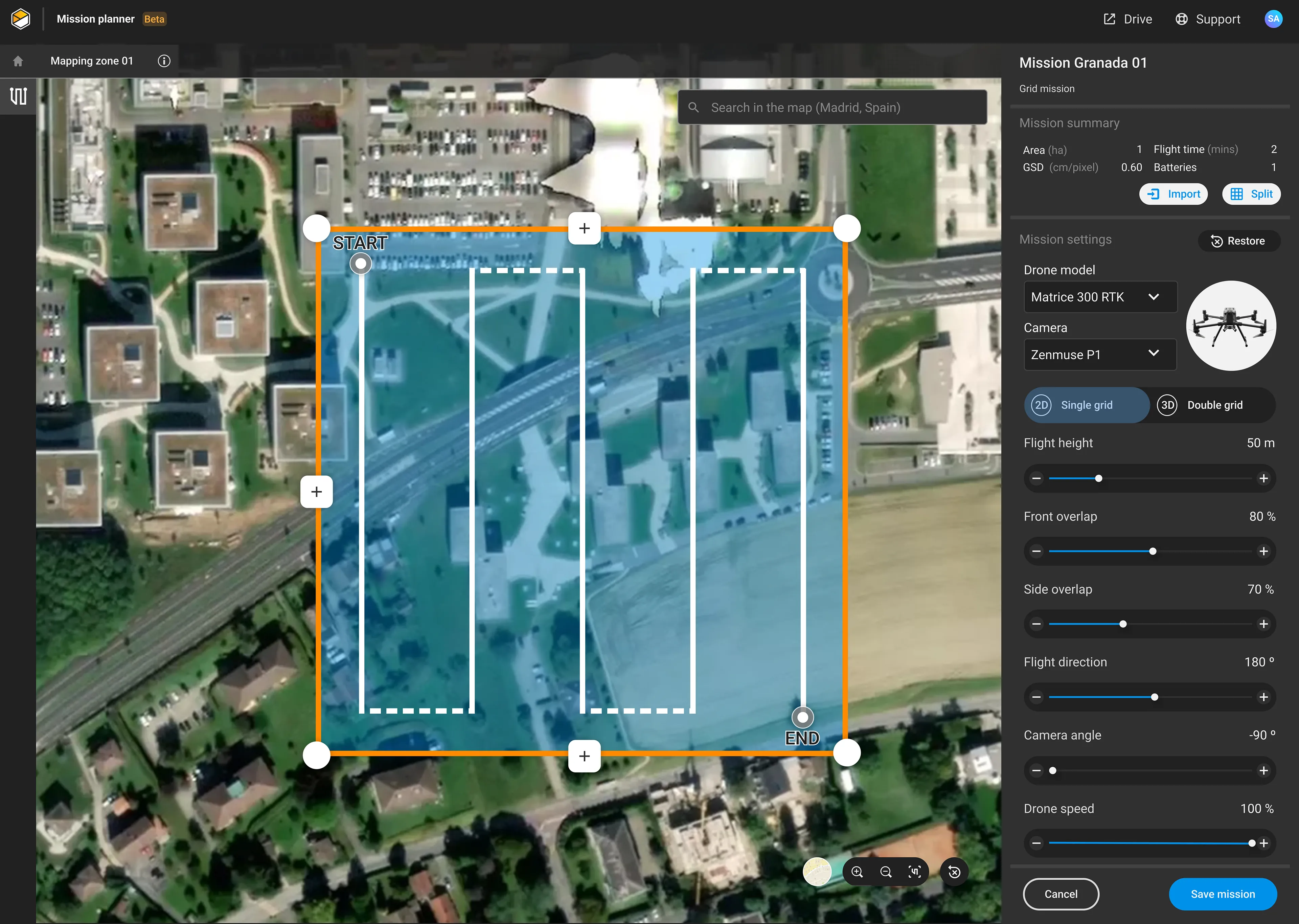
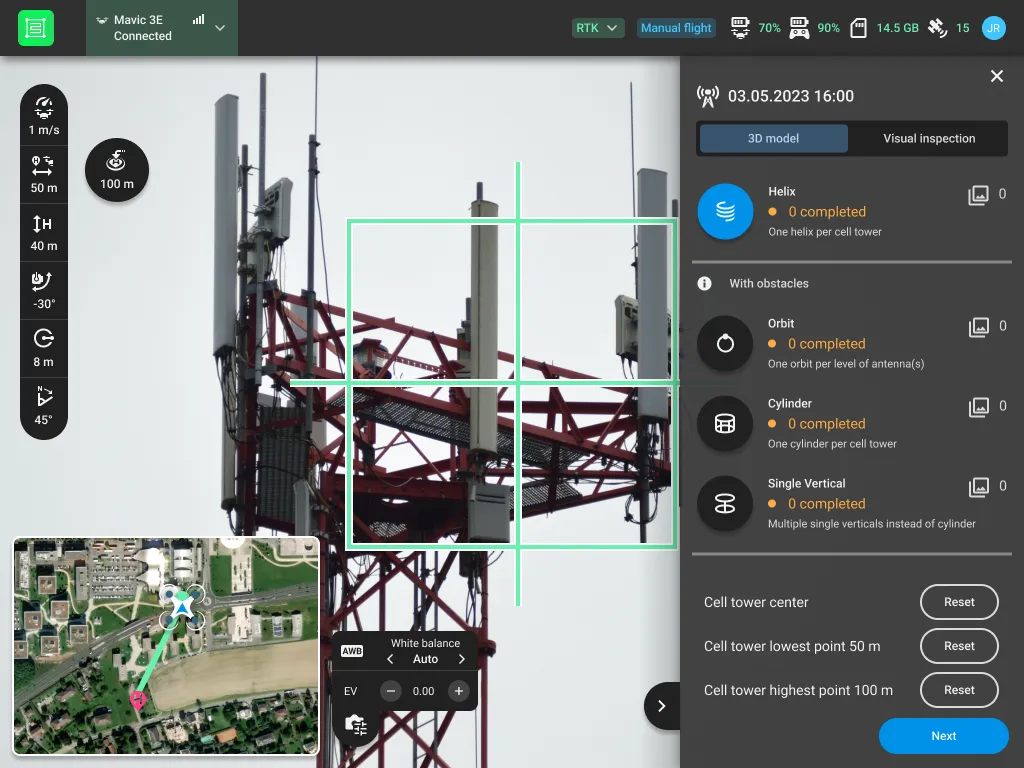
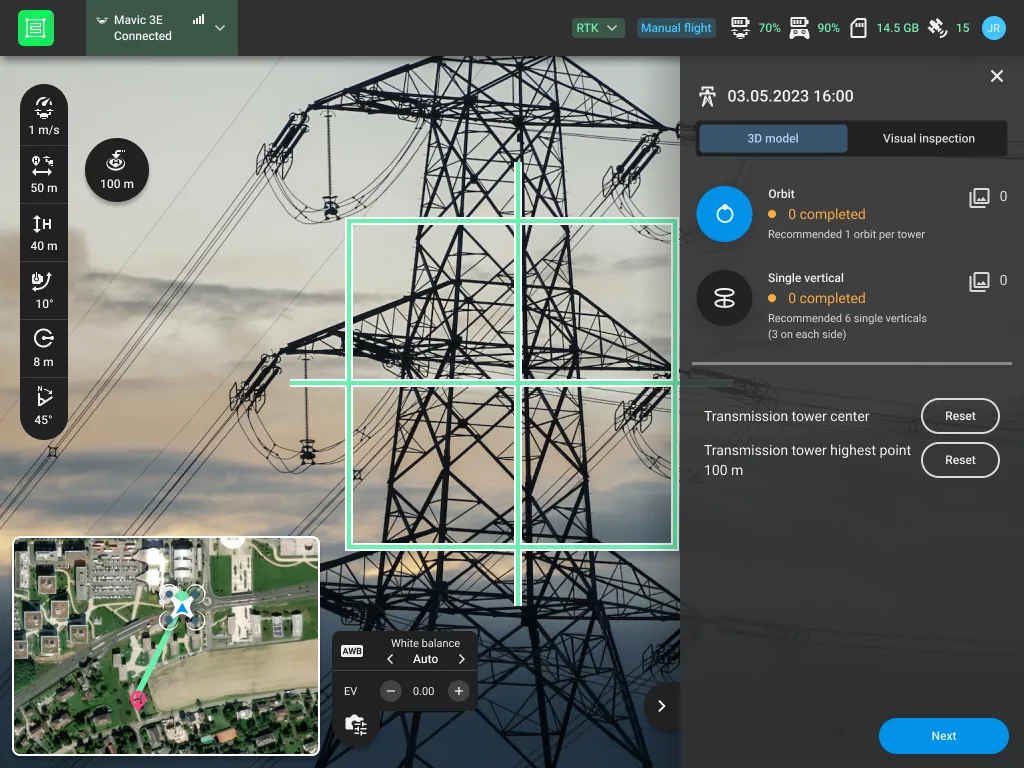
The result was a scalable, maintainable, and consistent design system that laid the foundation for Pix4D’s product growth. Beyond harmonizing the existing four products, the system enabled the successful development and launch of eight new software solutions, all built with the shared library.
Thanks to the modular architecture of the system, components and features could now be easily reused across products. When a new feature was added to one product, it could be quickly adapted and implemented in others, significantly improving development speed and coherence. The design system also enhanced cross-product consistency, reduced duplication of effort, and facilitated better collaboration between design and development teams.
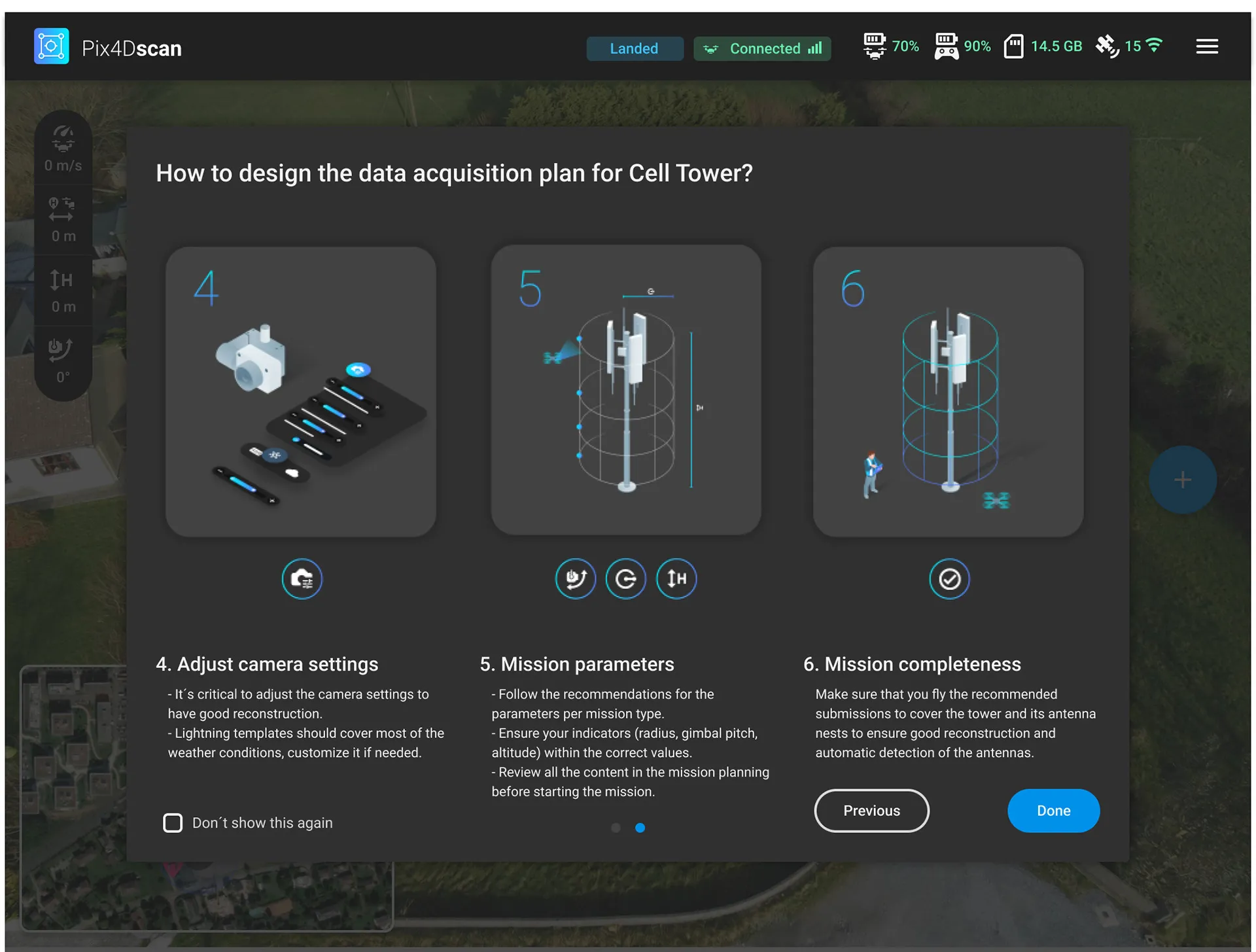
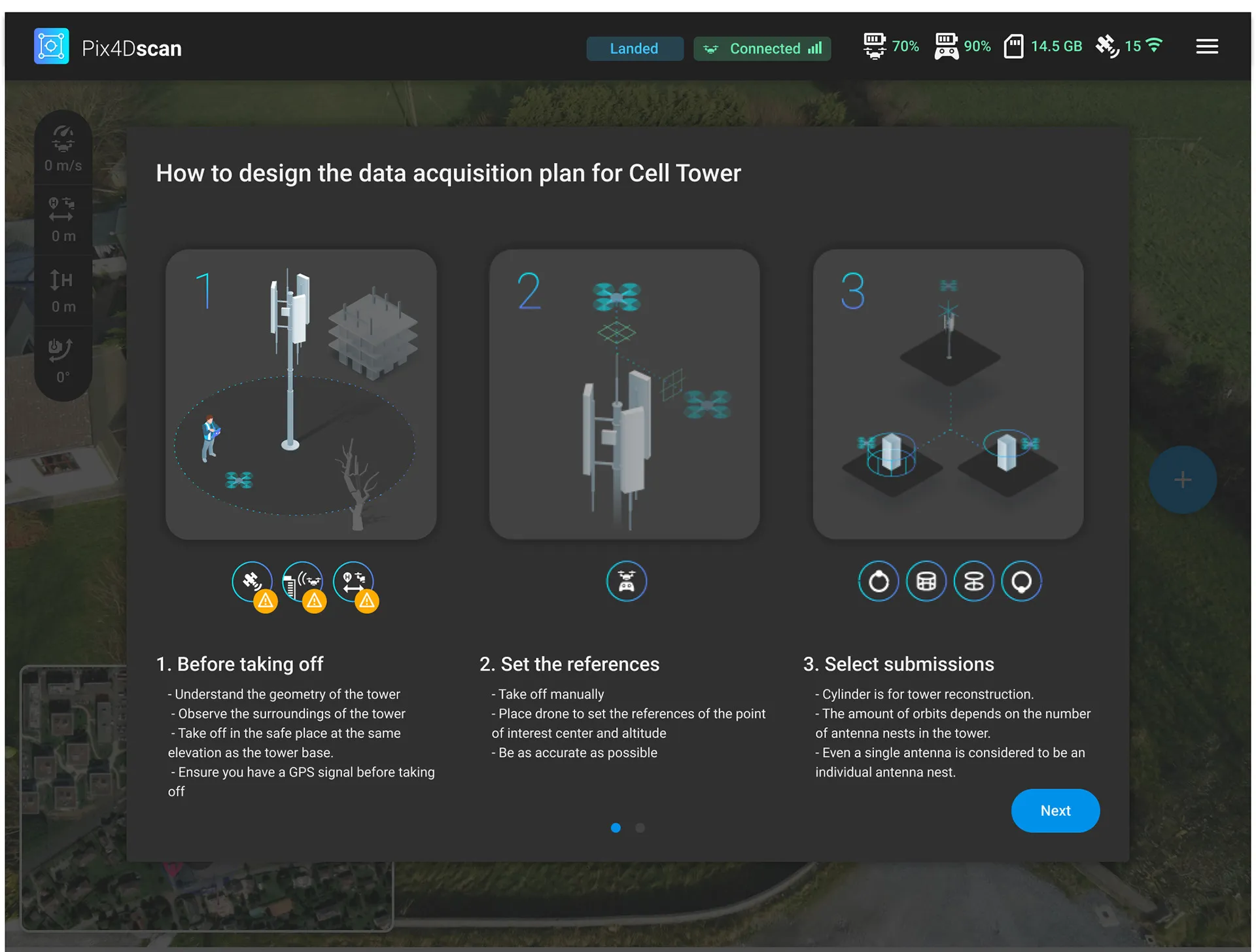
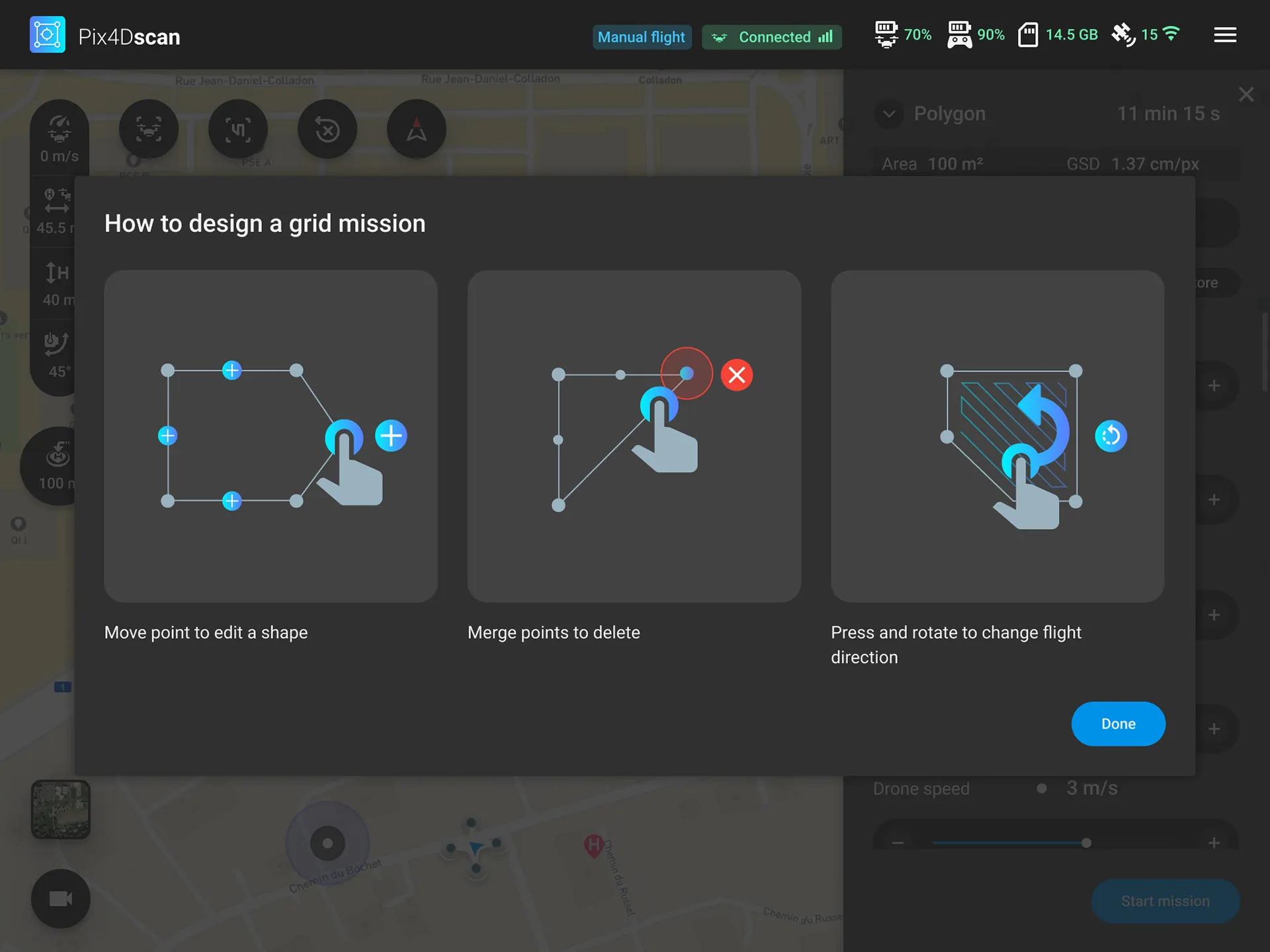
Final products
COMPONENTS